
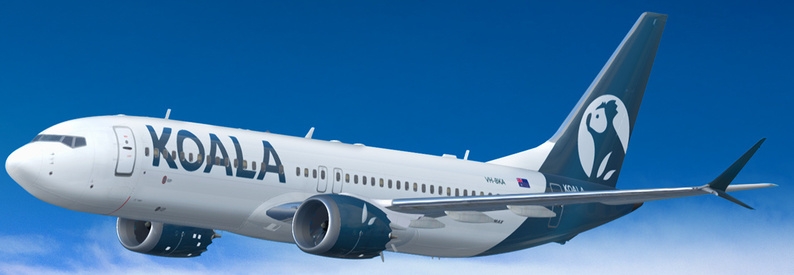
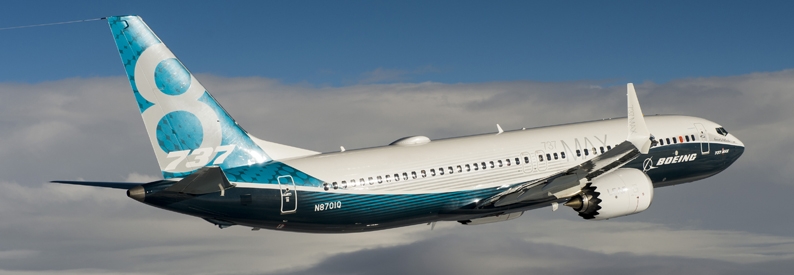
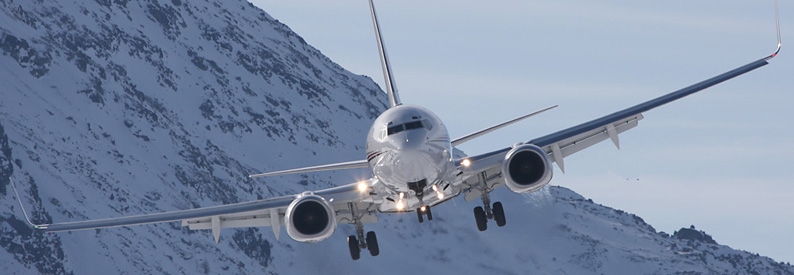
Australian start-up Koala Airlines says it has secured lease agreements for at least three B737-8s to be delivered next year, according to a report by Australian Aviation.
Chief executive Bill Astling said the airline plans to reach at least 20 aircraft within the first few years. It targets a late-2026 launch, contingent on when the first aircraft are handed over.
“We've got the first three, and then we've obviously got to get the next batch, and the next batch after that, which we're working on at the moment, so it's a progressive thing,” Astling was quoted as saying.
He added that while securing aircraft had been challenging amid strong competition from other carriers, the initial commitment gives the start-up momentum. The airline is aiming to quickly expand beyond the initial three units, targeting a further two or three shortly thereafter.
Koala Airlines intends to challenge the duopoly of Australia's bigger airlines, Qantas and Virgin Australia. ch-aviation data shows that both carriers, including Qantas' low-cost subsidiary Jetstar Airways, control a total market share of 78.4% by capacity on domestic and international routes.
The airline's chief said it would not operate on a point-to-point strategy but would focus on capturing leisure and business travellers, especially between Sydney Kingsford Smith, Melbourne Airport, and Brisbane International.
Astling also told the Australian aviation news site that the company holds a valid air operator's certificate (AOC), which he said was inherited through the 2019 acquisition of air-tour operator Desert Air Safaris. The Koala Airlines website lists AOC number “CASA.AOC. #0317” and states that it is being “upgraded” to accommodate the new aircraft type.
However, a search of Australia's Civil Aviation Safety Authority (CASA) online register by name and AOC number yielded no results.
A CASA spokesperson told ch-aviation that while Koala Airlines does have an AOC, "it is subject to a direction not to operate." It added that the airline's certificate is "considerably different" from the one required for air transport using large aircraft.
"An operator applying to conduct airline operations in Australia must meet strict safety and regulatory requirements and undergo a rigorous approval process," the Australian aviation safety regulator stressed.


Editorial Comment: The article updates with CASA information about the AOC in the final paragraphs. - 29Aug2025 - 01:40 UTC