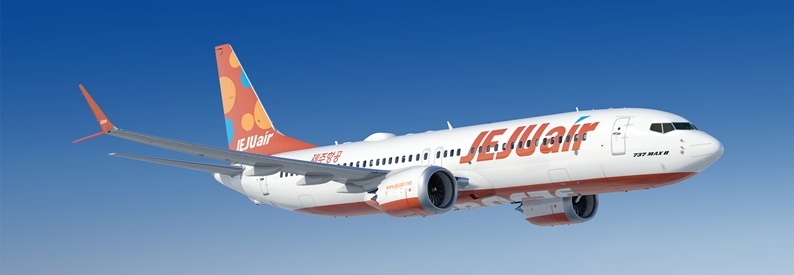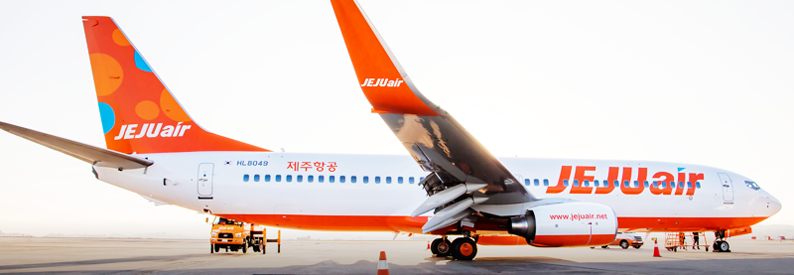
Jeju Air (7C, Jeju) has transferred the engines from its two stored B737-800(BCF)s to its passenger B737-800s, according to a report from The Economist Korea newspaper. The South Korean LCC later confirmed the move, saying the engines could be reinstalled if needed.
Both aircraft variants are powered by CFM International CFM56 engines.
"We have removed the engine because we are not currently operating cargo aircraft. There is no need to keep the unused engine attached to the aircraft," a Jeju Air spokesperson was quoted as saying.
Industry observers reportedly said the reallocation of the engines signals Jeju Air's withdrawal from the dedicated cargo business. The carrier still transports cargo, albeit through the belly holds of its passenger aircraft.
Jeju Air added: "The continuation of the cargo business and the timing of its resumption have not been determined. The removed engine can be reinstalled and operated at any time if necessary."
ch-aviation recently reported that Jeju Air has not operated dedicated cargo flights since its December 2024 crash. At that time, the carrier announced a suspension until March 2025, citing a focus on passenger safety.
According to ch-aviation data, Jeju Air operates two B737-800(BCF)s, HL8295 (msn 30694) and HL8527 (msn 32625), both leased from Aviator Capital. The former has been stored at Seoul Gimpo since August 2024, while the latter has not flown commercially since February 2025 and has been stored at Seoul Incheon since late September.
Jeju Air operates a passenger fleet of thirty-six B737-800s, three of which are currently inactive. It also has eight B737-8s, which are powered by CFM International LEAP-1B engines.