Governments across 26 countries are holding USD1.12 billion in airline funds, with Africa and the Middle East accounting for 93% of the total, according to the International Air Transport Association (IATA).
Ten top offenders in Africa, the Middle East, and South Asia are responsible for 89% of the blocked funds totalling USD1.08 billion, led by Algeria and the XAF Zone, which covers Cameroon, the Central African Republic, Chad, the Republic of the Congo, Equatorial Guinea, and Gabon. Eight African countries alone account for 79% of all blocked funds, totalling USD954 million.
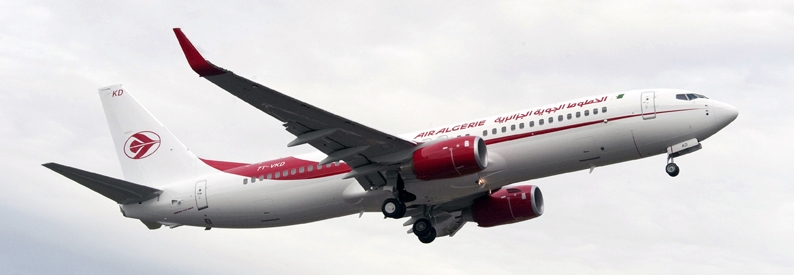
Algeria tops the list for the first time, with new Ministry of Trade requirements adding to existing documentation burdens. At a media briefing on December 10, Kamil Al-Awadhi, IATA's regional VP for Africa and the Middle East, explained that while Algeria does not default on payments, complicated paperwork and added new requirements are delaying the repatriation of funds. "Algeria has never refused to pay any money; it just takes ages before it is unblocked," he explained.
Blocked funds in the XAF Zone have fallen slightly since April 2025, but repatriation delays persist, IATA said, calling on the Bank of Central African States (Banque des États de l'Afrique Centrale - BEAC) to streamline its internal three-step validation process and improve processing times to continue clearing the backlog.
The top ten countries by blocked funds are: Algeria USD307 million; XAF Zone USD179 million; Lebanon USD138 million; Mozambique USD91 million; Angola USD81 million; Eritrea USD78 million; Zimbabwe USD67 million; Ethiopia USD54 million; Pakistan USD54 million; and Bangladesh USD32 million.
IATA called on governments to lift all restrictions that prevent airlines from accessing their revenues in US dollars from ticket and cargo sales, citing bilateral air service agreements and treaty obligations. It said restrictions include "burdensome or inconsistent procedures to obtain repatriation approval, delays in obtaining approval, shortage or lack of foreign exchange, or other limitations imposed by governments or central banks."
"Airlines need reliable access to their revenues in US dollars to keep operations running, pay their bills, and maintain vital connectivity,” stressed IATA Director-General Willie Walsh. "Political and economic instability are key drivers of currency restrictions across Africa and the Middle East, resulting in large sums of blocked funds. We recognise that allocation of foreign exchange is a difficult policy decision, but the long-term benefits for the economy and jobs outweigh short-term financial relief."