The US Department of Transportation (DOT) has tentatively awarded commuter air carrier authorisation to Kenai Aviation (Kenai) pending any objections filed in the next two weeks.
In a regulatory notice on August 18, 2022, the DOT tentatively confirmed Kenai's US citizenship, and that is was found to be "fit, willing, and able to conduct scheduled passenger operations as a commuter air carrier, subject to conditions". If no comments are lodged by September 1, 2022, the Department will waive any further procedural steps and make its tentative finding final, it said.
Kenai currently is an on-demand air taxi operator holding a US Part 135 operating certificate .
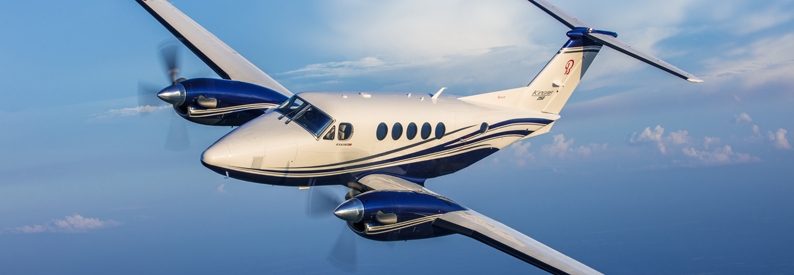
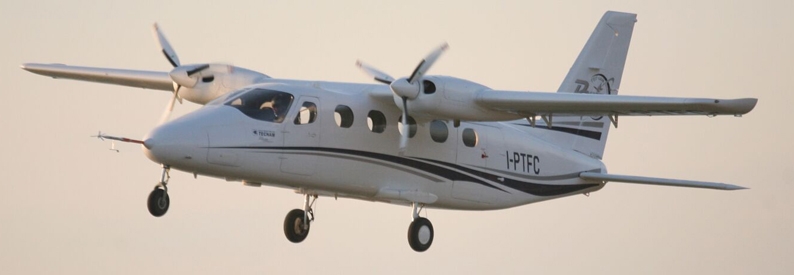
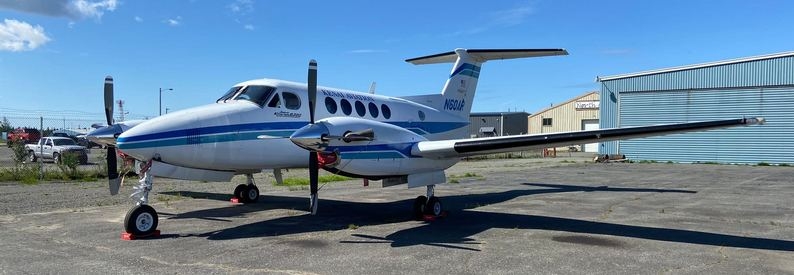
If granted the commuter authority, Kenai intends to operate 5x weekly scheduled flights between Kenai, Anchorage Ted Stevens, Valdez, and Homer, using its existing fleet of nine-passenger Tecnam P2012 leased from Alaska Transportation Company LLC (ATC). The rest of its fleet is made up of one Cessna (single piston) 206 and one Beech (twin turboprop) Super King Air B200. All aircraft in the fleet are leased.
According to an earlier DOT filing, Kenai had made its application in February 2022 and hoped to start operations on May 1, 2022.
The company is family-owned, with 90% of shares held by Joel Caldwell, the father of the other two owners, Jacob and Caleb Caldwell, who each own 5%.
In making its determination, the DOT considered the carrier's managerial skills and technical ability to conduct the proposed operations, whether it had sufficient financial resources; would comply with the US Transportation Code and regulations imposed by federal and state agencies; and if it was a US citizen.
Kenai's financial statements show the company has current assets and current liabilities of USD60,324 and USD82,233, respectively, giving it a negative working capital position of USD21,909 as of March 31, according to its 2022 balance sheet. In 2019, the carrier had lost USD64,219 on revenues of USD94,184, while in 2020, Kenai lost USD72,573 on revenues of USD403,565. In 2021, the airline lost USD208,735 on revenues of USD697,256.
Kenai does expect to incur significant pre-operating expenses since it already operates the aircraft it intends to use for its scheduled service, and it will not require additional aircraft to support the proposed service. It projects its pre-operating expenses will total USD52,000, all of which have been paid except for USD5,000. Kenai expects to incur about USD2.70 million in first-year costs.
The DOT estimated that Kenai would require USD701,909 in working capital or other available funds for the service. The company provided copies of a signed promissory note between itself and ATC for USD700,000.