SpiceJet (SG, Delhi International) has taken a significant step toward reactivating more aircraft, having signed an agreement with FTAI Aviation for it to provide up to twenty CFM International CFM56 engines, with the first arriving over the IATA northern summer season.
SpiceJet confirmed the news in a June 8 filing with the Bombay Stock Exchange (BSE). The engines will be leased and inclusive of maintenance services. "The first engines will be used to support the re-activation of SpiceJet's aircraft fleet over the next two to three months and will be critical for service on new routes," reads the filing. "SpiceJet will have access to a pipeline of available engines, eliminating the need for frequent shop visits. The revitalization program will reduce maintenance expenses and minimize aircraft downtime, enhancing the airline's overall performance. The NASDAQ-listed US-based FTAI Aviation described itself as a global, industry-leading supplier of high quality CFM56 engines, modules, and material. It has a USD2 billion portfolio of aviation leasing equipment and aerospace inventory.
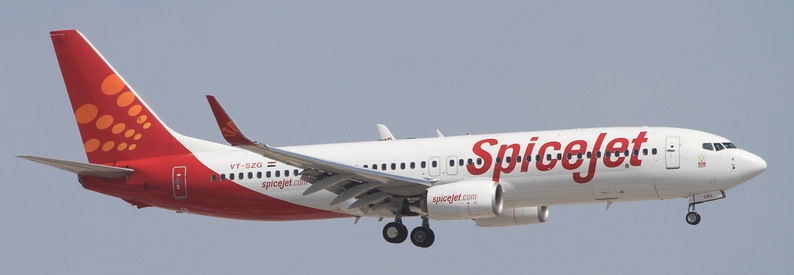
SpiceJet operates a fleet of DHC-8-Q400s and various B737 narrowbodies so is unaffected by the Pratt & Whitney engine supply issues grounding aircraft at other airlines. Nonetheless, the carrier has grounded over half its fleet for various reasons, resulting in snowballing financial and operational challenges, which SpiceJet is now attempting to unravel.
In early May, the airline said it would reactivate 25 aircraft using its own funds plus USD50 million secured via the Indian government's emergency credit line guarantee scheme (ECLGS). As part of that plan, SpiceJet recently said it wanted to reactivate two DHC-8-Q400s and two B737s by mid-June.
Meanwhile, late last week, SpiceJet told Reuters that it would add another another ten B737s, including five B737-8, to its fleet between September and October. 'The induction of these planes, which coincides with the peak travel season in India, will help us launch new routes and strengthen our presence on existing ones," reads a SpiceJet statement.
The carrier's five existing B737-700s, three B737-700(BDSF)s, fifteen B737-800s, and three B737-900ERs all use CFM56 type engines, while the eleven B737-8s rely on CFM LEAP engines. "SpiceJet is slowly but surely progressing towards its goal of restoring its fleet," said CEO Ajay Singh. "Our partnership with FTAI Aviation is a step forward in that direction that would ensure that our fleet is up and running at all times without us worrying about engines or their maintenance. Quick and ready replacements will ensure that our planes are on the ground for a minimal time."
- Type
- Base
- Aircraft
- Destinations
- Routes
- Daily Flights