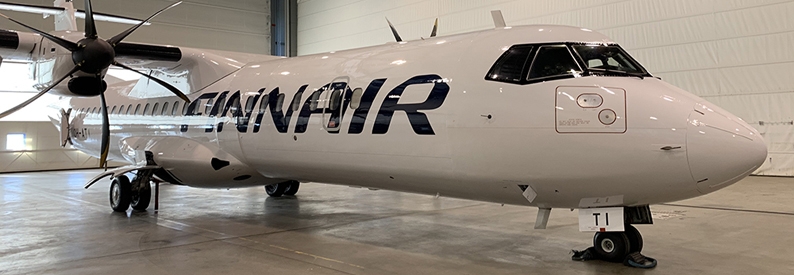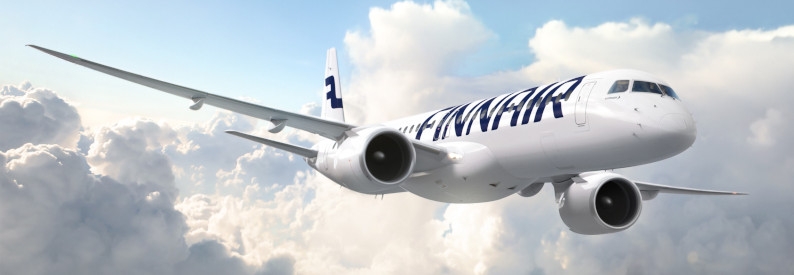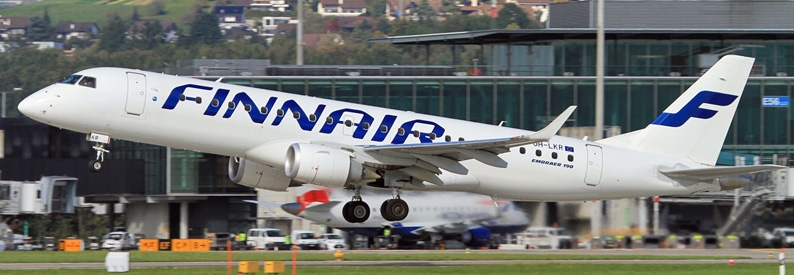
Finnair (AY, Helsinki Vantaa) talks between management and airline trade unions concerning proposed layoffs and outsourcing have reached a deadlock. The Finnish carrier said in a statement that a decision on whether or not to proceed with job cuts will be made in June.
The failed talks had focussed on the futures of cabin crew as well as administration and support personnel.
Concerning the airline's cabin personnel, negotiations had centred on Finnair’s plans to increase the outsourcing of cabin-crew on its long-haul and short-haul traffic with a maximum of three long-haul routes to be affected this year and more than 10 routes in the next stage.
With a total of 1'500 flight attendants based in Finland, Finnair says its options include lay-offs, temporary lay-offs, shifting to part-time work or a combination of these. A decision on whether to proceed with the establishment of a subsidiary that would provide cabin services and sell them to Finnair will also be made in June.
”Finnair is financially in a serious situation and needs to make difficult decisions in order to survive. After the long savings negotiation period, we still hoped to find in the co-determination negotiations solutions that would allow us to avoid lay-offs and outsourcing. Unfortunately this did not happen,” says CEO Pekka Vauramo.
Vaurumo also rejected a proposal put forward by the SLSY cabin crew union that would have saved EUR2.7million (USD3.71million) as falling short of necessary targets.
Concerning the carrier's administration and support staff, Finnair says it had planned to cut 140 out of 800 positions though this is still subject to negotiation. Measures that may reduce the number of redundancies, such as transfers within the company and pension schemes, were also discussed.
The CEO has warned that unless savings are made, the airline would find it very difficult to remain competitive given that it has recorded EUR185million (USD254.4million) in cumulative net losses since 2009.
”We cannot handle the competition with our current cost structure. Now it is time to decide on how to guarantee good-quality yet cost-competitive service in the future,” Vauramo ended.
- Type
- Base
- Aircraft
- Destinations
- Routes
- Daily Flights