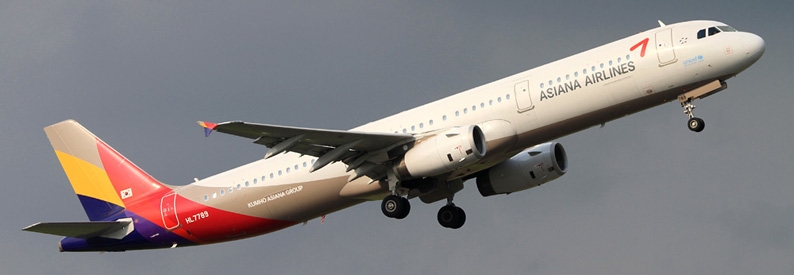
Asiana Airlines (OZ, Seoul Incheon) has unveiled a two year-long restructuring programme aimed at turning the airline into a more competitive, dynamic player in the Korean domestic and international market.
In a letter to airline employees, CEO Kim Soo-cheon said Asiana needed to respond to a rapidly changing marketplace where both local and foreign LCCs were beginning to severely impact the airline's revenue streams.
"The management normalization plans that we unveiled today are to actively respond to intensifying competition due to increased supply from local low-cost carriers and foreign rivals and the high-cost and low-efficiency structure taking root amid a fall in market share and revenue from domestic and short- and mid-distance routes," he said.
As such, the plan is to be implemented in phases between now and 2018 with the overall objective of cutting KRW160 billion (USD136.5 million) in added costs.
Concerning staff, the airline's workforce will be cut through voluntary redundancies while the merger of thirty-six branch offices will help consolidate middle management. Non-core jobs such as ticketing and check-in, as well as domestic airport services, will be outsourced. Perks such as executive cars and bonuses will also be abolished.
Concerning its route network, Asiana plans to close a number of unprofitable routes during the course of the year including Vladivostok (in February) and Yangon and Denpasar (both in March). As previously reported, eleven routes to provincial Japan along with night-time flights to South East Asia will be transferred to nascent LCC Air Seoul (RS, Seoul Incheon).
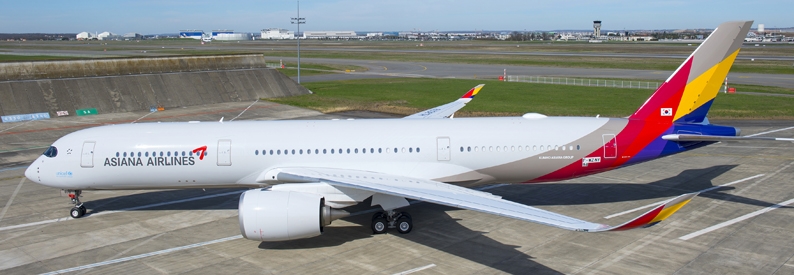
Concerning on-board product, with the exception of its A380-800, Asiana plans to remove First Class from the rest of its fleet while adding lie-flat Business Class seating to most of its longhaul aircraft. In a first for the airline, the A350-900s, set to arrive in 2017, will feature a premium economy product.
Airline unions, however, have not taken kindly to the measures especially given the impending possibility of job cuts. Having staged sit-ins at Seoul Gimpo, the unions accuse the leadership of being responsible for the airline's poor state of affairs.
"Asiana's problems resulted from its parent group's failed takeover of Daewoo Engineering & Construction and Korea Express," the union said in a statement to the Korea Times. "The carrier's debt-to-equity ratio was about 200 percent before it was forced to borrow money to help finance the acquisition of the two entities in the late 2000s. After that, the ratio soared to 700 percent."
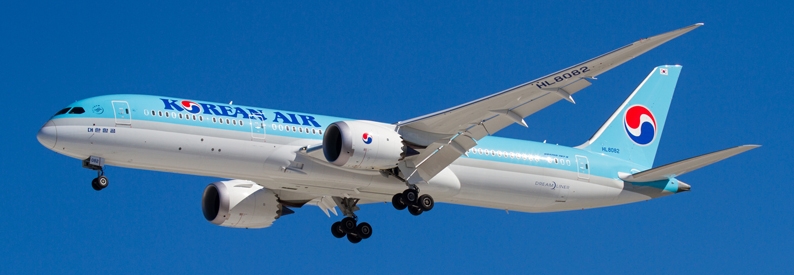
Currently, Asiana is South Korea's second largest carrier by through-put following market leader Korean Air (KE, Seoul Incheon).
- Type
- Base
- Aircraft
- Destinations
- Routes
- Daily Flights