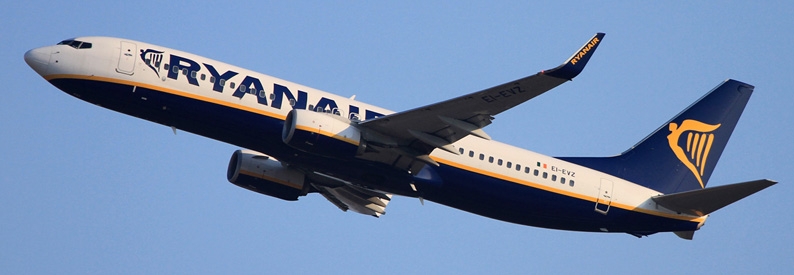
Having struck deals with unions representing pilots and cabin crew across Europe, Ryanair (FR, Dublin International) now expects to cut “significantly” fewer jobs than the 3,000 it originally estimated, its director of operations Neal McMahon has told Reuters.
Overall, he said during an interview on August 21, 97% of pilots and more than 90% of cabin crew have so far agreed to take pay cuts and changes to employment terms.
At the beginning of May, the airline warned it may have to institute cost cuts that could result in the loss of up to 3,000 mainly pilot and cabin crew jobs - one in five of its flight crew personnel - if they did not accept wage reductions of up to 20%.
But on August 20, Spanish pilots accepted a 20% pay cut and work practice changes. Although cabin crew there refused to join the pilots in the agreement, the collective bargaining system in Spain allows Ryanair to implement the changes anyway.
That leaves agreements outstanding with cabin crew in both Italy and Germany and pilots in Belgium.
“We haven’t finalised the number yet. We originally said there was going to be 3,000 redundancies, but we have been able to reduce that significantly,” McMahon told Reuters. “Broadly speaking, they recognise the grim situation we are in and they have been pragmatic.”
According to Ryanair's human resources director Darrell Hughes, the cabin crew union in Italy has put a deal to a vote, negotiations with flight attendants continue in Germany, and discussions on a collective redundancy process for pilots in Belgium are ongoing.
Ryanair has, so far, managed to sustain pilot numbers without redundancies by deploying a mix of voluntary part-time work, voluntary unpaid leave, and spreading shifts more widely, McMahon and Hughes said.
However, that may change depending on winter bookings and the levels of pandemic-induced travel disruption into 2021. In August, Ryanair increased flight activity to 60% of its normal capacity, but last week it cut capacity for September and October by 20%, blaming poor forward bookings on the reimposition of some travel restrictions in Europe.
“Airlines have for a long time relied on business traffic, visiting friends and relatives, and maybe an older non-family market for travel in September, October, November,” Hughes said. “It’s a big question as to what that level of demand is going to be, but it’s not looking good at present.”
Chief executive Michael O’Leary again criticised Ireland’s strict travel restrictions on August 19. Rules that allow unencumbered travel to and from just ten European countries would result in more jobs losses in its Irish operations, he warned in an interview with broadcaster RTÉ. Bookings are building in Germany and Italy but they are “terrible” in Ireland, he said.
- Type
- Base
- Aircraft
- Destinations
- Routes
- Daily Flights