The UK's competition watchdog says the revision of minor errors in the country's civil aviation authority's calculation of London Heathrow's price cap is unlikely to result in significant changes in charges.
In a ruling on September 8, the Competition and Markets Authority (CMA) provisionally upheld most of the UK Civil Aviation Authority's recommendations except for a few aspects, which it has asked the regulator to reconsider. "While it is not possible now to quantify any changes in the price cap that could result from the CAA's reconsideration of these aspects, we would expect any such changes to have only a small net impact relative to the CAA's overall price control decision, particularly as they may work in opposite directions," the competition regulator said.
"In nearly all aspects of the CAA's approach that were challenged, we have provisionally found that the CAA had not been wrong in its approach," the CMA said. However, it said the CAA made an error in "one, relatively minor, aspect of its cost of debt calculation".
The CMA has until October 17, 2023, to decide whether to allow or dismiss appeals to this provisional determination and will issue its final decision in line with a statutory deadline.
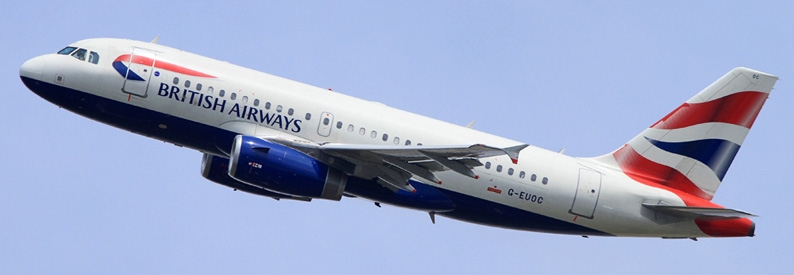
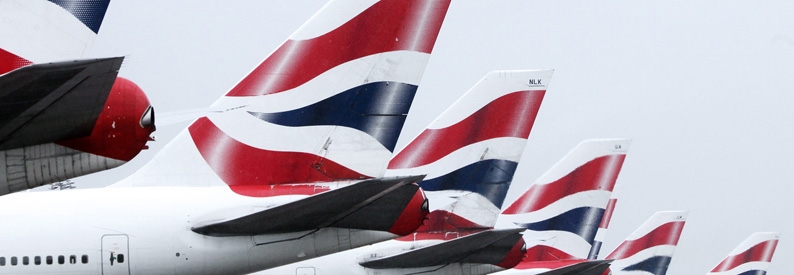
This followed appeals in April 2023 by British Airways, Virgin Atlantic, Delta Air Lines, and London Heathrow against a March 9, 2023, final decision by the UK CAA to implement new price controls for 2022-2026. Essentially, it means capping the airport's 2023 charges at a maximum price per passenger of GBP31.57 pounds (USD37.4). The average maximum price per passenger would then fall by about 20% to GBP25.43 (USD30.19) per passenger in 2024 and would remain broadly flat at that level until the end of 2026. The decision covers a five-year period that started in January 2022 and ends in December 2026. The modifications will take retrospective effect on May 1, 2023.
The airlines want a steeper cut, while the airport says the cap would not allow it to earn sufficient revenue to support GBP1 billion pounds (USD1.2 billion) of investment needed to address maintenance and development delayed because of the Covid pandemic. Both sides argued the cap would not be in the interest of consumers.
In its assessment of the appeals, the CMA said it considered extensive evidence and acknowledged the unique circumstances of setting the price control for Heathrow Airport during the pandemic, which created challenges for both the airport and airlines. It determined that the CAA generally did not err in most appealed decisions.
Several issues were raised in the appeals, primarily around allocating costs related to the pandemic and future risks associated with passenger numbers. The CMA provisionally upheld the CAA's adjustment to the Regulatory Asset Base (RAB) due to the pandemic's impact but identified a minor error in the cost of debt calculation.
The airlines challenged the CAA's passenger forecast, which determines per-passenger charges, but the CMA did not find substantial fault in the CAA's approach, except for a minor element in the calculation related to exceptional events.
Heathrow Airport appealed the "AK-factor," a specific adjustment the CAA had introduced to claw back excess revenues in 2020 and 2021. The CMA provisionally found that applying this adjustment mechanically was inappropriate, given the pandemic's severe impact on passenger numbers.
Lastly, the airport appealed new incentive arrangements introduced by the CAA to encourage efficiency and capital expenditure projects, but the CMA provisionally upheld the CAA's decision to introduce these incentives.
- Type
- Base
- Aircraft
- Destinations
- Routes
- Daily Flights