The International Civil Aviation Authority (ICAO) has formally instated a Serious Safety Concern (SSC) against Thailand after the country's Department of Civil Aviation (DCA) failed to adequately address regulatory oversight shortcomings identified during a Universal Safety Oversight Audit Programme (USOAP) inspection in January.
Thailand reportedly only satisfied 21 out the 100 criteria inspected during the USOAP audit with problem areas said to include personnel licensing and training, airworthiness assessment and certification, airline operations oversight and the granting of Air Operator Certificates (AOC) to airlines.
The DCA was subsequently given a 90-day period to submit a plan of corrective measures to the ICAO for approval. While its initial draft was rejected, a second was delivered near the May 14 deadline.
As part of its remedies, Bangkok said it would establish two new organisations - the National Civil Aviation Institute and the Air Transport Department - to oversee the Thailand's aviation sector and its airports and infrastructure respectively. In addition, existing aviation laws are to be tightened while new regulations regarding the issuance of Air Operator Certificates (AOC) and Air Service Licences (ASL), as well the transportation of hazardous materials, are to be drafted.
According to the Bangkok Post, the ICAO's decision to publicly announce an SSC against Thailand came as a shock with Thai Transport Minister Prajin Juntong suggesting the organization had agreed not to post any information over the country's shortcomings on its public website.
However, Thai officials and airline executives told the paper that Deputy Transport Minister Arkhom Termpittayapaisith had likely misinterpreted a statement given by top ICAO officials to a Thai delegation when they visited the ICAO's Montreal office shortly before the deadline to seek reprieve. The ICAO is required to issue a country with an SSC should it fail to adequately correct flaws identified in its audit within the 90-day period.
It is uncertain how the move will affect Thailand's already precarious relationship with its neighbours as well as the European Union and the United States insofar as flight permissions are concerned. The US Federal Aviation Administration (FAA) is scheduled to undertake its own audit of Thailand's aviation licensing and airport security later next month following which the ICAO will carry out a follow up inspection in either October or November.
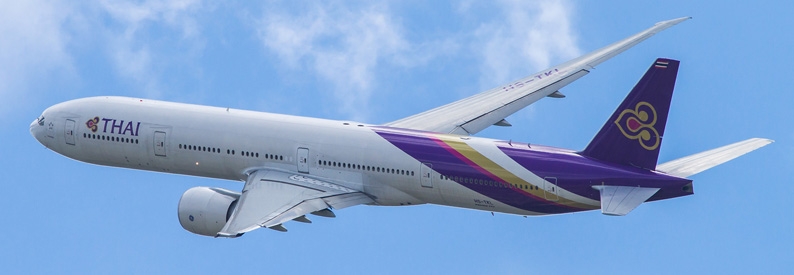
For its part, Thai Airways International (TG, Bangkok Suvarnabhumi) has moved to distance itself from the SSC stressing it maintains its level of operations up to international standards.
"Since February 13, 2015, when [the] ICAO first issued the SSC against [the] Thai DCA, Thai Airways International has had to rely on other states' civil aviation authorities to provide oversight for where Thai Airways Int'l operates," it said. "As such, Thai Airways Int'l has undergone additional and more frequent safety audits and station inspections by these authorities; and as a result of these audits, Thai Airways Int'l has been able to continue operating regular flights to these countries. In the very near future, Thai Airways Int'l will be audited at the Company's base by other states' civil aviation authorities."
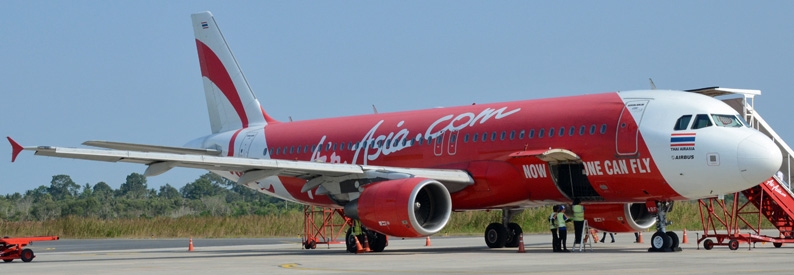
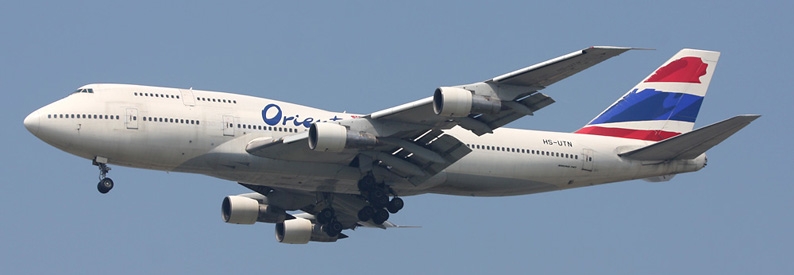
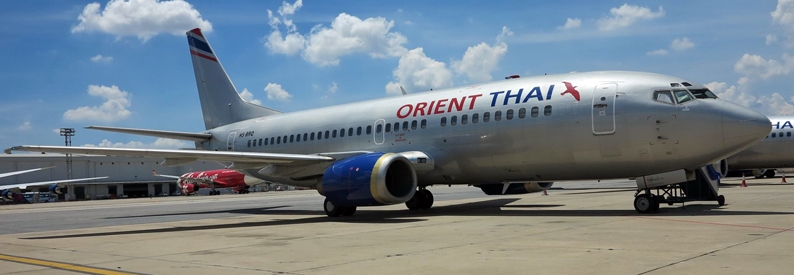
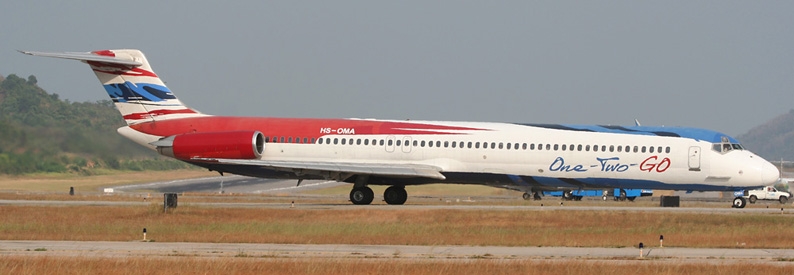
As reported throughout the course of the year, Japan, South Korea, Cambodia, Singapore, Australia, and China have already sanctioned Thai charter operators such Orient Thai Airlines (Bangkok Suvarnabhumi), NokScoot (Bangkok Don Mueang), Jet Asia Airways (Bangkok Suvarnabhumi), City Airways (Bangkok Suvarnabhumi), R Airlines (RCT, Bangkok Don Mueang), Thai AirAsia X (XJ, Bangkok Suvarnabhumi), Asia Atlantic Airlines (Bangkok Suvarnabhumi), and Jet Asia Airways (Bangkok Suvarnabhumi) either through restricting their operations outright or subjecting them to additional stringent checks when in-country.