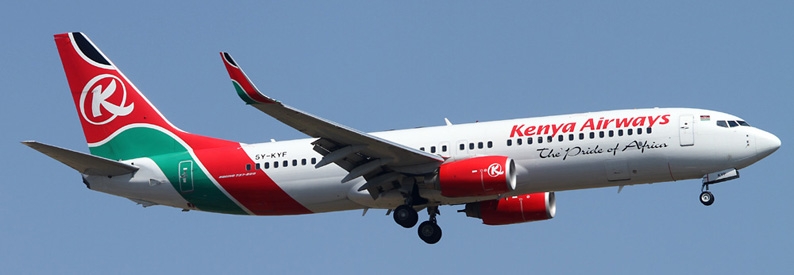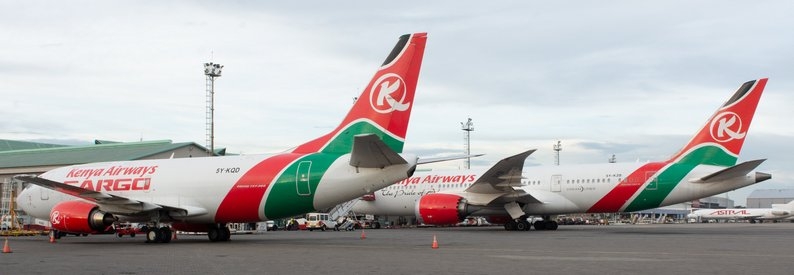
Kenya Airways (KQ, Nairobi Jomo Kenyatta) is rejecting bids to spin off its cargo division, with group managing director and CEO George Kamal arguing that maintaining an integrated model is essential to preserving operational synergies and financial stability while the carrier seeks a USD2 billion strategic investor, according to The Africa Report and The East African news sites.
Kenya Airways is in talks with at least four strategic investors drawn from across the globe, including one from Africa, Kamal told a news briefing in Nairobi following the presentation of the airline group's 2025 full-year results, but he assured that the carrier’s identity would not change.
"Every investor comes with their own view [...] but at the end of the day, Kenya Airways, the pride of Africa, will remain the same, it’s not going to change, and it will have to remain as a national carrier and a national asset," he said.
It has not been decided whether the strategic investor will take up equity or inject capital in the form of debt, he said, adding that the airline could consider a mix of both or onboard more than one investor.
"Some of them are coming for equity, some are coming for debt," he disclosed.
It remains unclear what stake the government is willing to cede or how the deal will be structured within the airline’s ongoing restructuring framework. The state’s stake in the carrier has risen over the years, after the airline defaulted on its foreign loans guaranteed by the state, resulting in the Treasury taking over the loans in exchange for more equity.
Sliding back to losses
Kenya Airways Group announced an operating loss of KES5.6 billion shillings (USD43 million) and a loss after tax of KES17.2 billion (USD132.5 million) for the full year ending December 31, 2025, following a profit of KES5.4 billion (USD41.6 million) in 2024.
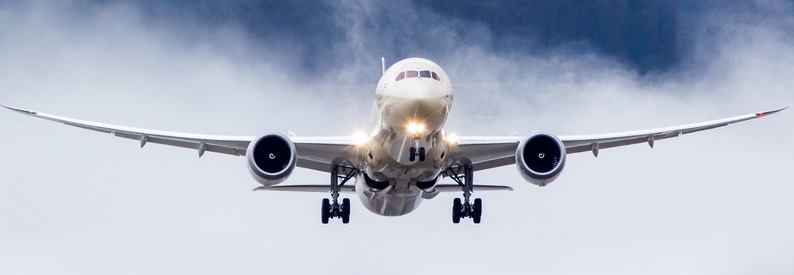
Operations were mainly affected by the temporary grounding of three B787-8s due to global supply chain constraints and limited engine availability, resulting in reduced capacity across key routes, it said.
Total revenue closed at KES161 billion (USD1.24 billion), a 14% decline driven by a 13% drop in passenger numbers following an 18% reduction in capacity, underscoring the direct impact of fleet constraints on performance.
This was also reflected in a 3% decline in operating costs to KES167 billion (USD1.3 billion), reflecting reduced operational activity and the carrying costs of the grounded aircraft.
Commenting on the results, chairman Kiprono Kittony said they should be seen "within the broader context of an industry facing unprecedented operational constraints, but still underpinned by strong fundamentals, mainly strong travel demand."
Looking ahead, Kenya Airways said it would focus on restoring operational capacity, strengthening its financials, and positioning the business for sustainable growth. Key priorities include:
- capital raising to strengthen liquidity, bolster fleet expansion, and diversify revenue streams;
- returning grounded aircraft to service to unlock capacity and revenue;
- cost management and cash conservation.
- Type
- Base
- Aircraft
- Destinations
- Routes
- Daily Flights