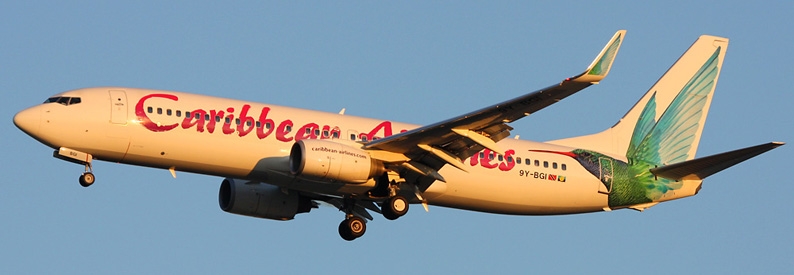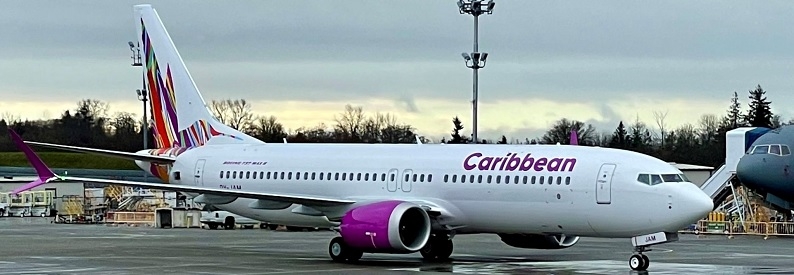
Since Caribbean Airlines (BW, Port of Spain) acquired Air Jamaica (Kingston Norman Manley) in 2011, the company has incurred losses of more than TTD1.7 billion Trinidadian dollars (USD250 million), while the Jamaican government has not contributed financially, with its stake in the carrier diluted from 16% to 11.8%.
The Trinidad & Tobago Guardian newspaper reported that between the 2012 and 2025 fiscal years, Caribbean Airlines recorded cumulative losses of USD254.7 million from managing its Jamaican base. Air Jamaica merged into Caribbean Airlines in 2015.
ch-aviation contacted Caribbean Airlines for confirmation of the figures disclosed by the newspaper, but it was not immediately available for comment.
Caribbean Airlines has been a perennial loss-maker and is currently undergoing a business overhaul mandated by the government of Prime Minister Kamla Persad-Bissessar, which has urged the management to turn around the carrier. Since the ultimatum was issued, several C-level executives have left, and the airline is now appointing personnel in key areas and seeking a new financial rescue, ch-aviation understands.
The Jamaican government appears to have little interest in contributing financially to Caribbean Airlines. If its shareholding falls below 10%, it would lose its right to appoint a director to the board.
The Guardian reported that during the pandemic Caribbean Airlines requested financial support from Jamaica via Trinidad and Tobago’s Ministry of Finance, but none was provided. In November 2025, the airline discontinued flights from Montego Bay and Kingston Norman Manley to Fort Lauderdale International due to poor performance.
A former director of the Trinidad and Tobago Civil Aviation Authority, Ramesh Lutchmedial, told the newspaper that the Jamaican government shut down Air Jamaica as part of conditions set by the International Monetary Fund under a USD1.2 billion bailout in 2010.
Trinidad and Tobago and Jamaica agreed that Caribbean Airlines would operate certain North American routes from Jamaica, with the initial expectation that both brands would be maintained. The dual brand strategy was eventually dropped.
However, “the Jamaican diaspora never supported Caribbean Airlines and instead chose to fly with other airlines. Caribbean stuck to the agreement and in the first two years lost over USD200 million,” Lutchmedial said, adding that Jamaica declined to inject funds into the airline even during the pandemic and other loss-making periods.
- Type
- Base
- Aircraft
- Destinations
- Routes
- Daily Flights