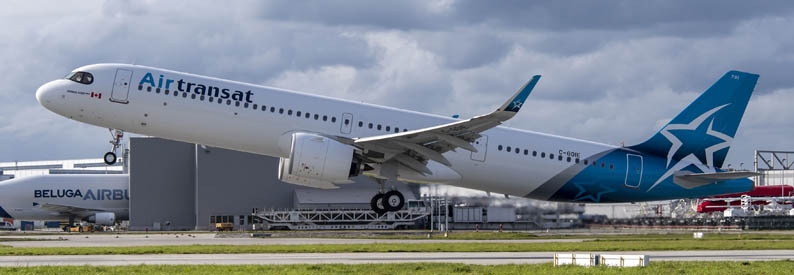
Air Transat (TS, Montréal Trudeau) has revised its 2026 programme, making “targeted adjustments” on certain routes in response to the high jet fuel prices globally and the “exceptional volatility in energy markets.”
In particular, the Canadian leisure carrier is reducing by 6% its planned capacity from May to October 2026, it said in a statement. This includes continuing to suspend all services to Cuba until October, where the carrier has faced supply constraints (as Cuba is blockaded by the US government and unable to access fuel and oil), and cutting the number of frequencies on some routes to Europe and the Caribbean.
Annick Guérard, president and chief executive of Air Transat, said in a statement: “The recent volatility in aviation fuel prices reflects an exceptional environment affecting the entire sector. We are closely monitoring the situation, as cost pressures continue to be felt across the industry. We will continue to optimise our program based on demand, which remains strong. Additional measures may be implemented depending on how the situation evolves, beyond our control.”
Destinations in Europe include Brussels National, Bordeaux Mérignac, Lyon St. Exupéry, Marseilles, Nice, Nantes, Paris CDG, Toulouse Blagnac, Athens, Berlin Brandenburg, Dublin International, Rome Fiumicino, Venice Marco Polo, Amsterdam Schiphol, Lisbon, Porto, Faro, Barcelona El Prat, Valencia Manises, Madrid Barajas, Málaga, Istanbul Airport, Glasgow International, London Gatwick, and Manchester.
Destinations in the Caribbean include Puerto Plata, Punta Cana, Samaná El Catey, Pointe à Pitre, Montego Bay, Fort de France, Cancún, Tulum Felipe Carrillo International, and St. Maarten.
Prior to the crisis, Air Transat had begun executing a turnaround plan, backed by the majority of its shareholders, in which it aimed to deliver a CAD100 million Canadian dollar (USD73 million) increase in adjusted operating income by mid-2026 and a stronger balance sheet.
- Type
- Base
- Aircraft
- Destinations
- Routes
- Daily Flights