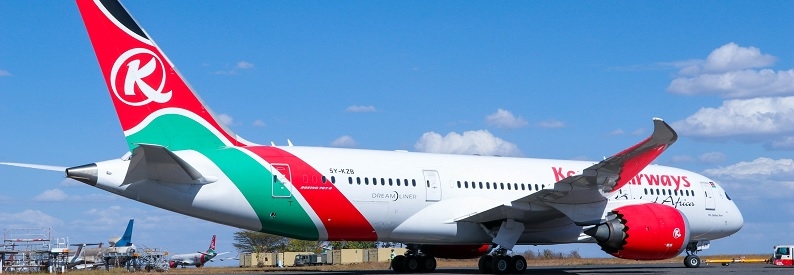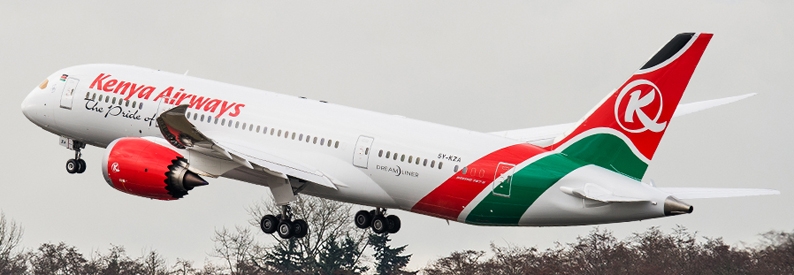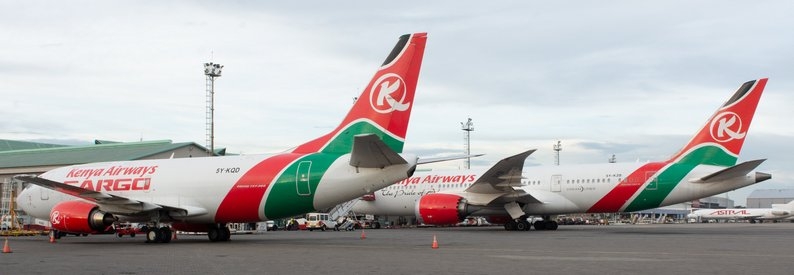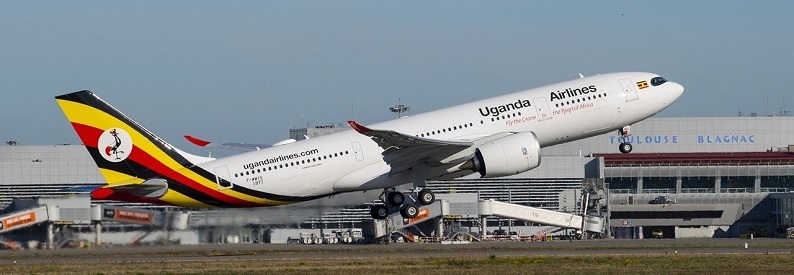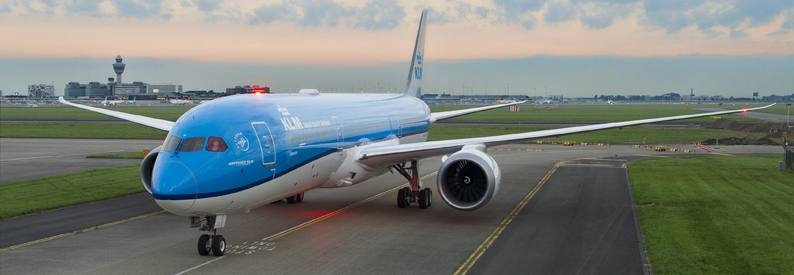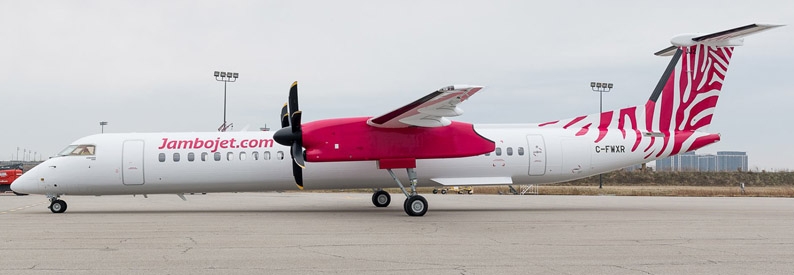
The time has come for Africa to seriously consider a pan-African airline alliance to strengthen connectivity and competitiveness across the continent, African Airlines Association chairman and Kenya Airways Group managing director and CEO George Kamal appealed during the 14th AFRAA Stakeholders Convention in Johannesburg on May 18.
"If not now, then when? If not us, then who will do it?" he charged, arguing that African carriers can no longer afford to operate in fragmented markets.
African aviation faces mounting operational and geopolitical pressures that demand deeper cooperation among airlines rather than competition on thin routes, Kamal said.
"Perhaps the time has come for Africa to seriously consider what I would personally call a pan-African alliance," he added, envisioning "an African aviation alliance capable of connecting African airlines into one integrated African market."
He said that such an alliance could support coordinated schedules, aligned hubs, codeshares, cargo integration, loyalty programmes, maintenance, and training cooperation among African carriers.
Beyond the continent, he argued, a unified African alliance could serve as a bridge between global airline alliances and African hubs rather than allowing fragmented access points dominated by foreign carriers.
Kamal said Africa’s aviation sector had been battered in recent years by oil price shocks, the COVID-19 pandemic, supply chain disruptions, aircraft and engine shortages, rising insurance costs, and currency pressures, while the Middle East conflict has again exposed the vulnerability of global aviation networks. "Resilience is no longer aspirational. It has become an operational requirement for survival," he said.
He criticised the continent’s lack of integration, noting that Africa, despite having a population of more than 1.4 billion, still suffers from weak intra-African connectivity. In many cases, he said, it remains easier for passengers to transit through Europe or the Gulf than through another African hub, while only around 28% of intra-African routes are directly served.
"Why do African airlines compete aggressively against each other on thin routes, while foreign carriers consolidate traffic flows across our continent with stronger partnerships?" Kamal asked the delegates.
Forecasts for Africa’s fleet to grow from about 700 aircraft to more than 1,700 over the next two decades underscore the scale of the opportunity, he said, arguing that the continent’s biggest constraint is "not lack of opportunity, it’s lack of integration".
SAA-KQ cooperation
Reacting to Kamal's call, South African Airways's newly appointed acting CEO, Matshela Seshibe, said the airline remained open to closer cooperation with Kenya Airways.
"I'm not closing any door on any future collaboration between us as two airlines. We collaborate beyond air traffic right now, for example our state-owned catering company has just concluded a three-year contract with KQ, and that's one of the many areas of collaboration that we see. We have not closed any door, and we'll continue to engage with them, [at] the level of chief executive officer," he told a media briefing at the AFRAA event.
The airlines entered into a strategic partnership framework in 2021, with plans for a broader pan-African airline group. This later stalled as both airlines needed recapitalisation and stronger balance sheets before proceeding. SAA formally withdrew in early 2025 after its semi-privatisation deal under the Takatso Aviation consortium collapsed, while Kenya Airways is currently in advanced negotiations with potential strategic partners.
- Type
- Base
- Aircraft
- Destinations
- Routes
- Daily Flights