Nigerian airlines have at least 16 aircraft that are stranded outside the country as carriers face mounting demurrage and other charges they say they cannot pay without government intervention.
The newspaper This Day in Lagos reports that Air Peace, Arik Air, and United Nigeria Airlines are among the carriers that have sent aircraft outside the country for maintenance but cannot retrieve them due to a foreign exchange crunch in Nigeria.
Citing unnamed industry sources, the paper reports that two years ago Air Peace borrowed USD14 million from Nigerian banks at a 35% interest rate to retrieve 15 aircraft sent overseas for maintenance. However, the foreign exchange it needed to repatriate the planes was never disbursed.
ch-aviation Commercial Aviation Aircraft Data data shows at least eight Air Peace aircraft remain in maintenance or storage outside Nigeria, including three B737-300s in Tel Aviv Ben Gurion, Johannesburg O.R. Tambo, and Amman Queen Alia (Jordan), respectively. Two B777-200ERs are stored at the Marana commercial aircraft MRO and storage facility in the United States, while three E145s are parked at Ben Slimane (Morocco), Johannesburg, and Antigua, respectively. To maintain capacity, Air Peace wet-leases four A320-200s (two from SmartLynx Airlines and two from SmartLynx Airlines Estonia).
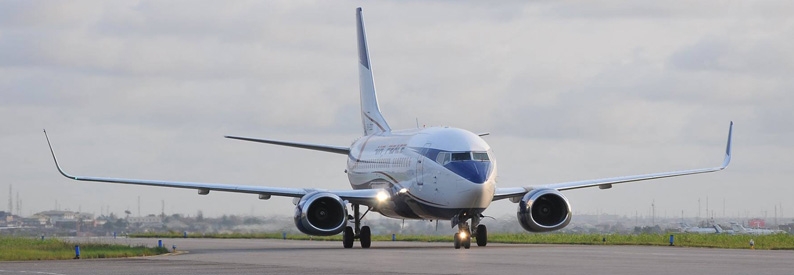
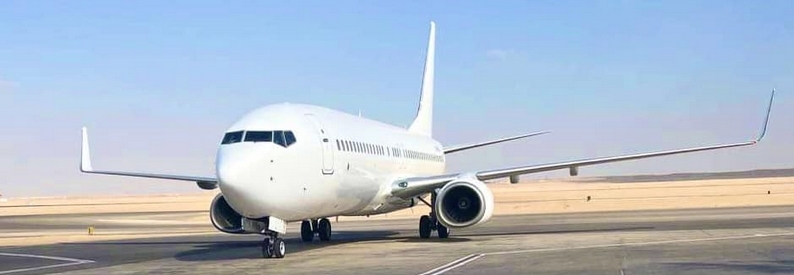
The sources said Arik Air has six aircraft stranded overseas, but ch-aviation Commercial Aviation Aircraft Data data shows only two are currently outside Nigeria: one B737-700 stored in Addis Ababa International and one B737-800 parked in Johannesburg.
United Nigeria Airlines has one E145 stored at Ben Slimane. The airline wet-leases another E145 from fellow Nigerian carrier Xejet (4U, Lagos).
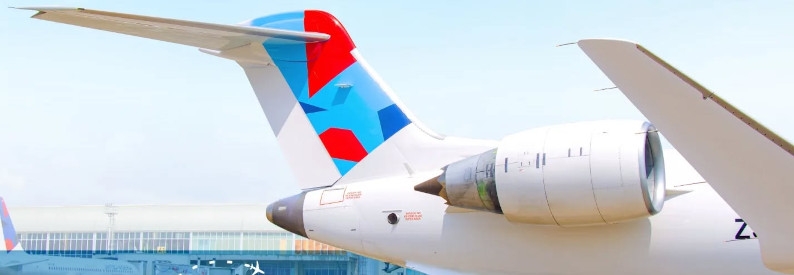
ch-aviation Commercial Aviation Aircraft Data data further shows that one of Ibom Air's CRJ900LR is stored at Ljubljana, Slovenia, while MaxAir (Nigeria) has two B737-300s parked in Türkiye and Ukraine, respectively, with one B747-400 stored at Marana. ValueJet (VK, Lagos) has one CRJ900 in maintenance at Ljubljana.
The situation reportedly constrains the operational capacity of the airlines, forcing reliance on expensive wet-leases, while the limited availability of aircraft has driven up ticket prices and reduced the number of destinations Nigerian carriers serve.
Aero Contractors CEO Ado Sanusi expressed doubt the stranded aircraft would ever return, citing growing parking fees and the likelihood that maintenance facilities could auction the aircraft to recover losses. He urged the government to support the aviation sector by creating a domestic leasing company to reduce capital flight and strengthen the industry.
"Without government support, the aviation sector cannot thrive," Sanusi said, pointing to similar interventions by the governments of Ethiopia and the United States.