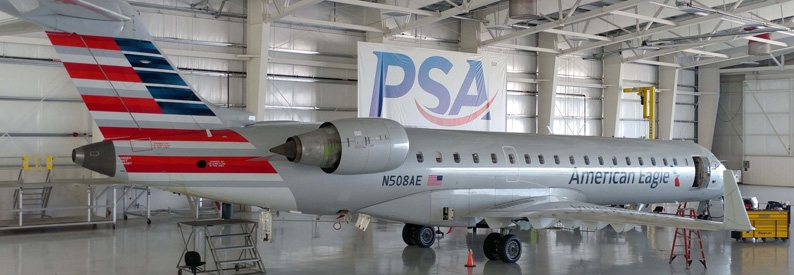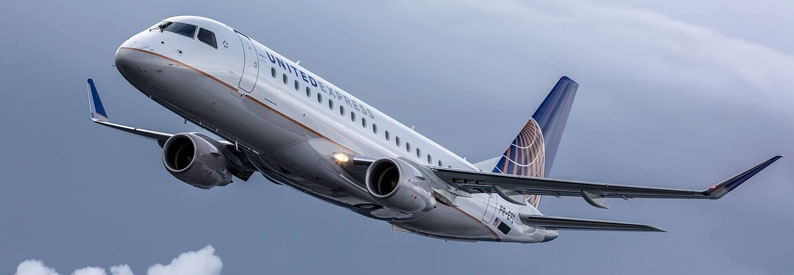
The ROTOR Act, a bipartisan bill aimed at addressing certain factors contributing to the January 2025 mid-air collision between a PSA Airlines (OH, Dayton James M. Cox) commercial jet (on behalf of American Airlines) and a United States Army Sikorsky UH-60 Black Hawk helicopter near Washington National, was narrowly rejected by the House on February 24.
This happened the same week the Pentagon pulled support from the bill, arguing it "would create significant unresolved budgetary burdens and operational security risks affecting national defence activities," said Sean Parnell, assistant to the Secretary of War.
The 264-to-133 vote was one vote shy of the two-thirds of House lawmakers needed to send the legislation to President Donald Trump's desk.
“While we continue to support the intent and objectives of the legislation, the version passed by the Senate does not reflect several of the mutually discussed updates,” wrote Parnell prior to the vote. He did not disclose what these updates are.
Senators Ted Cruz (head of the committee that oversees aviation) and Maria Cantwell said in a joint statement that the ROTOR Act included specific language to best protect classified flights, and this was done at the behest of the Pentagon.
They added: “We appreciate the dialogue with the Pentagon and look forward to the ROTOR Act’s passage so that our skies are made safer immediately.”
The legislation, which stands for the Rotorcraft Operations Transparency and Oversight Reform (ROTOR) Act, requires all aircraft and helicopters to be equipped with ADS-B In technology. It aims to close a loophole permitting the US Department of Defence to fly domestically without having to use ADS-B Out technology. It would also enhance oversight of helicopter routes near commercial airports.