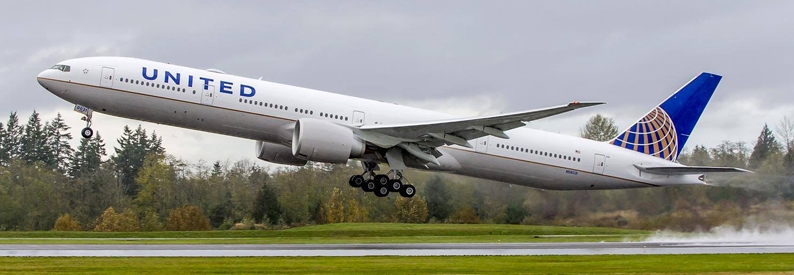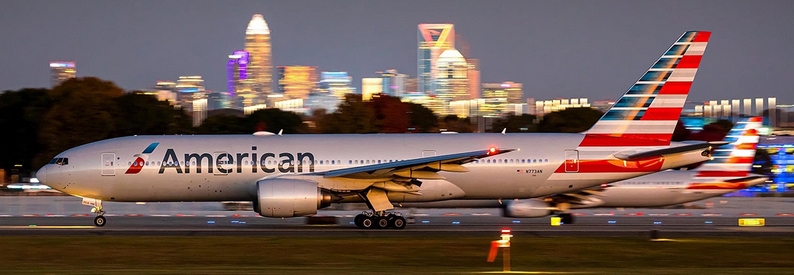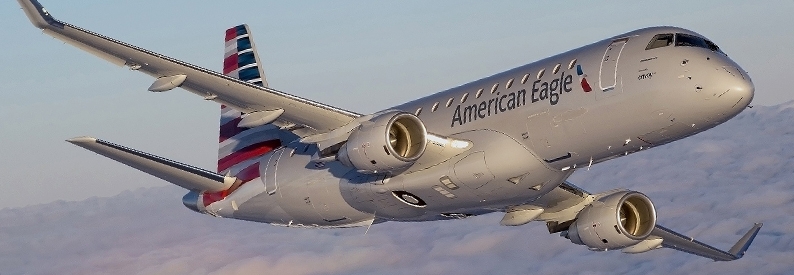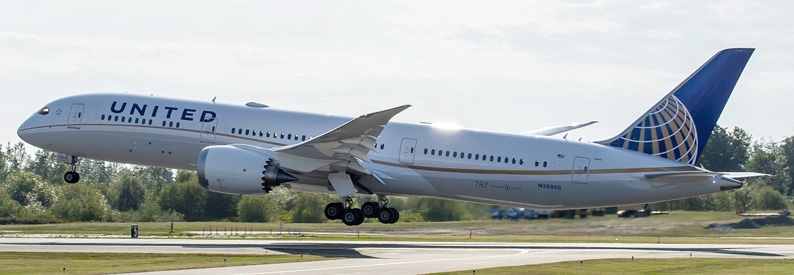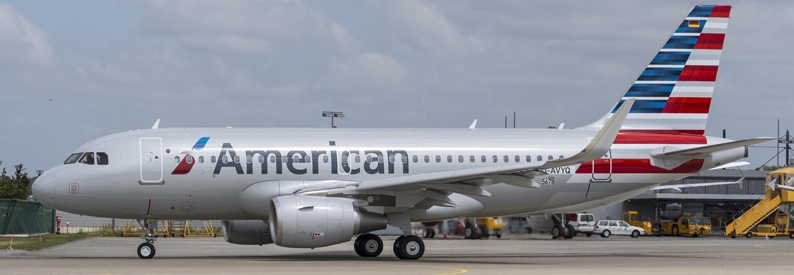
The chief executives of major US carriers American Airlines, Delta Air Lines, and United Airlines have warned of the impact on their bottom lines from rising fuel prices, driven by the ongoing turmoil in the Middle East, but assured they would be ready to address potential headwinds.
Both Robert Isom and Ed Bastian, CEOs of American and Delta, said during a J.P. Morgan investors' conference that the current quarter will see a rise of around USD400 million in fuel costs, partly offset by stronger demand.
“Fuel prices have increased rapidly over the last few weeks. It has only been seven weeks since we reported earnings. What we have seen since that time is about a USD400 million impact in terms of our first-quarter expenses,” Isom said, as quoted by Forbes.
Bastian noted that while jet fuel prices are “up almost double digits”, Delta is positioned to recapture that increase due to strong brand performance and its refinery in Monroe, which “gives us a meaningful hedge on the crack”.
Scott Kirby, United’s chief executive, said the carrier had absorbed higher fuel costs and had been able to raise ticket prices quickly to compensate.
However, significant headwinds lie ahead for the airline industry, Bastian suggested, particularly for carriers without strong brand positioning and those that have not fully recovered from the impact of the COVID-19 pandemic. “They have no choice but to alter business plans in real time to cover that fuel,” he said, adding that this will be the first time the industry faces a sudden fuel shock without widespread fuel hedging.
Isom believes the rapid rise in fuel prices will affect profitability in the first quarter and likely in the second.
“And if this proves to be a long-term phenomenon, we know that appropriate steps will be taken to ensure we drive revenue performance to offset it,” he added.
Strong demand is helping to mitigate the impact of higher fuel prices. Bastian told the conference that markets remain robust: “We have had eight of the ten highest sales days in our history this month,” adding that “demand is growing beyond the 5% to 7% that we forecast.”
The domestic market is particularly strong in 2026, Isom said. “That domestic network is our advantage. 2026 will be a year when we can really build momentum and regain share.”
Data from the International Air Transport Association show that the global average jet fuel price rose by 82.8% compared with the previous month’s average.
- Type
- Base
- Aircraft
- Destinations
- Routes
- Daily Flights