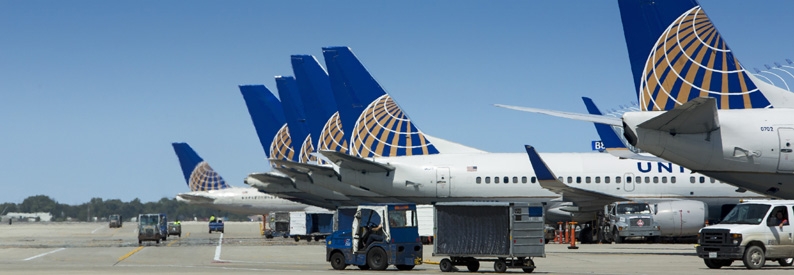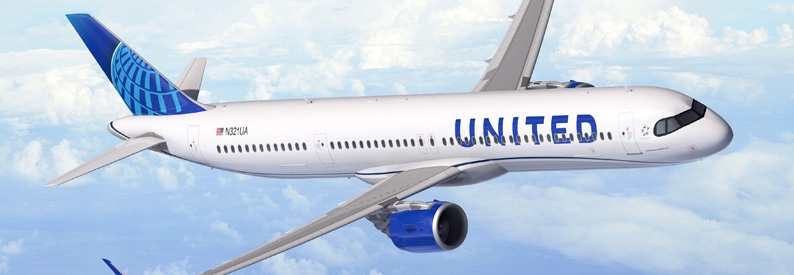
United Airlines (UA, Chicago O'Hare) will reportedly trim its near-term capacity by as much as five percentage points as a way to counteract elevated fuel prices brought on by the conflict in the Middle East.
In a note to employees, United’s chief executive, Scott Kirby, said the current plan assumes that fuel prices will remain elevated (at around USD175 a barrel) for the rest of the year and remain above USD100 until the end of 2027.
“If prices stayed at this level, it would mean an extra USD11 billion in annual expense just for jet fuel,” Kirby said, adding that the company’s best result ever was recording a profit of less than USD5 billion.
Some of the changes to address the ongoing situation include pruning flying from unprofitable segments, including red-eye flights in the second and third quarter of this year. United is also cutting capacity at Chicago O'Hare by one percentage point, where it is currently in the midst of a dispute against American Airlines over market share.
Despite the issues, Kirby believes that demand remains “the strongest we’ve ever seen” in the near term and United has the financial firepower to continue at full speed, including taking all aircraft deliveries expected for the next few years. The CEO said United currently expects to restore the full schedule in the autumn.
At a recent J.P. Morgan investors' conference, the chief executives of major airlines warned of the impact on their bottom lines of rising fuel prices. Executives of American Airlines and Delta Air Lines predict a rise of around USD400 million in fuel costs for the current quarter alone.
- Type
- Base
- Aircraft
- Destinations
- Routes
- Daily Flights