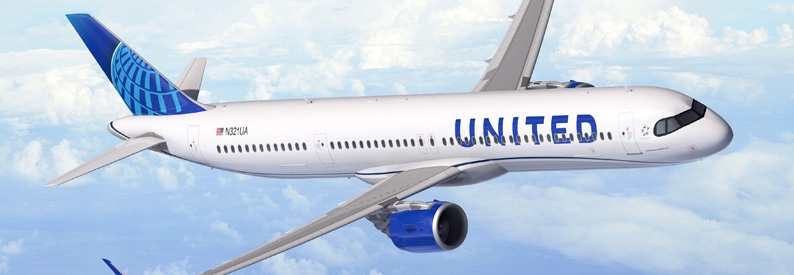
United Airlines (UA, Chicago O'Hare) has been in conversations with an unnamed carrier about buying some of its assets, chief executive Scott Kirby said in an interview with Bloomberg. This was in response to questions on carrier consolidation in the United States.
During the interview, Kirby said the company had been preparing for when the next crisis arrives, and this had given it the ability to look through problems to the end of the tunnel and “not to have to make short-term strategic, bad decisions,” he added.
“And as I look at assets, maybe they will, maybe they won’t come available. We’ve actually even had some discussions with one airline about buying some,” he said, but declined to provide further information or the identity of the company. In previous weeks, Kirby has toyed with the idea of a super merger with rival American Airlines, which forced the latter to release a statement denying any involvement with United.
In the meantime, Kirby said United is more focused on how to create a great airline “that can really be stronger internationally.”
Asked if this current period of crisis, exacerbated by the high price of jet fuel, would be a good moment to execute mergers that have been hard fought in the past by previous administrations, Kirby said he was not sure “but that’s certainly the market consensus. That’s what people think.”
The airline industry in the United States has been grabbing headlines, from Allegiant Air’s acquisition of Sun Country Airlines, to the possible state rescue of Spirit Airlines, to the United and American merger rumours, and JetBlue Airways’ CEO rejecting the possibility of the company going bankrupt this year. All the while, airlines are trimming capacity, increasing fares, and making adjustments to cope with the uncertainty in global markets.
Kirby said demand had remained strong, but there will still be some network changes as the year goes along. “We’re not getting rid of airplanes or changing anything strategically, but we are just going to trim some of the marginal [flights], the Tuesdays, Wednesdays, Saturdays, red-eye flying out of the second half of the year, because I think both oil has a possibility of being higher for longer but also in the face of higher fuel prices there will be less demand, and so we need to supply less to the market,” he explained.
When it comes to the potential lack of physical jet fuel available, Kirby said the company is monitoring Asia and Europe as the two hotspots where that could happen but, while prices are higher, the carrier has not seen any actual shortages.
- Type
- Base
- Aircraft
- Destinations
- Routes
- Daily Flights