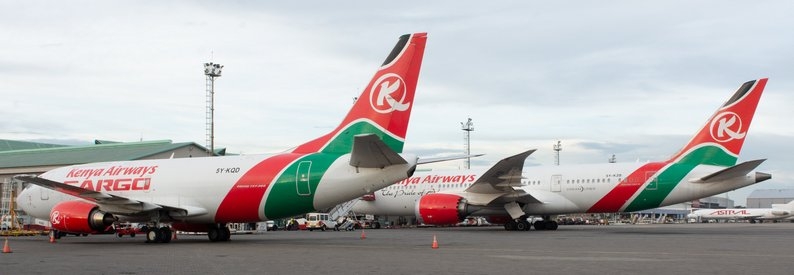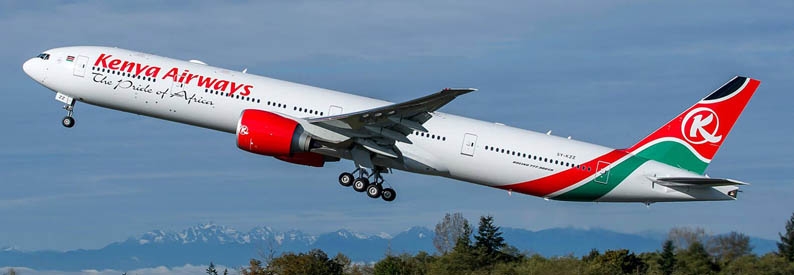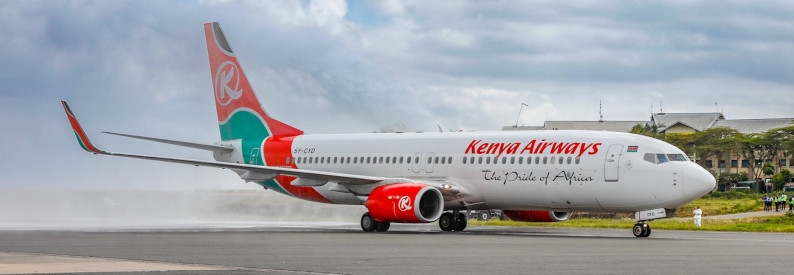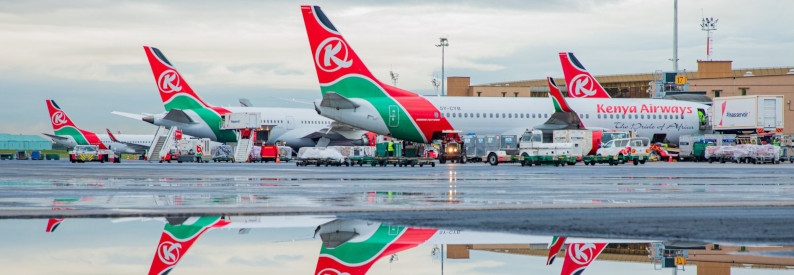
Kenya Airways (KQ, Nairobi Jomo Kenyatta) is preparing a plan to operate another country's national airline as part of a broader growth strategy aimed at strengthening its long-term recovery, according to chairman Kiprono Kittony.
"There is a plan, and you're going to see a stronger and more robust airline. We are planning to bid for becoming a national airline for another country," Kittony told a news conference in Mombasa on May 28, as quoted by Kenya's Citizen Digital.
A Kenya Airways spokesman verified the quote to ch-aviation but provided no further insight into the identity of the country or the nature of the proposed arrangement.
The disclosure comes as the Nairobi-listed carrier pursues a recovery strategy following years of financial instability, leadership turnover, and mounting debt pressures.
Kittony said the airline was focused on securing short-term emergency funding to meet immediate operational requirements, while leveraging its status as a publicly listed company to attract fresh investment through capital markets.
He linked Kenya Airways' recovery prospects to Kenya's broader economic ambitions, including plans to expand exports of agricultural produce and other goods, a move expected to support cargo demand. He also pointed to airport expansion plans that could boost tourism and passenger traffic.
Acting group managing director and CEO George Kamal reiterated that Kenya Airways remains a strategic national asset and is focused on restoring customer confidence and financial stability.
Kenya Airways is seeking USD1.5 billion to USD2 billion from strategic investors, and talks with four potential partners have advanced to the due diligence stage, Kamal told ch-aviation in a recent interview. It is weighing a range of financing structures including equity, debt, cash injections, and aircraft-backed arrangements. The Kenyan government retains the option to convert KES132 billion shillings (USD1.02 billion) of Kenya Airways' debt into equity.
Kenya Airways' after-tax loss of KES17.2 billion (USD133 million) in 2025, despite its second-highest revenue on record, was blamed on the lengthy grounding of three B787-8s due to engine maintenance shortages and global supply chain issues.
- Type
- Base
- Aircraft
- Destinations
- Routes
- Daily Flights