ATI Jet (El Paso), also known as Jetvia, has filed a lawsuit against Pratt & Whitney Canada (Flight Department), alleging the engine manufacturer systematically failed to provide contracted lease-engine support and timely maintenance, resulting in prolonged aircraft groundings and substantial charter revenue losses.
Filed on April 7 in the United States District Court for the Western District of Texas and first reported by Private Jet Card Comparisons, the complaint accuses P&WC of breaching long-term engine service agreements known as Eagle Service Plan contracts, fraudulently inducing ATI Jet into a 2025 settlement agreement, making false representations regarding replacement engine availability, and prolonged maintenance delays.
In the filing, ATI Jet states it paid more than USD20 million in hourly programme fees in exchange for comprehensive maintenance coverage and access to lease engines when covered removals exceeded ten days. Company officials place total payments above USD30 million.
ATI Jet seeks programme credits, compensatory and exemplary damages, rescission of the 2025 settlement, termination of multiple ESP contracts, and legal costs. The complaint does not specify an aggregate value for the claims.
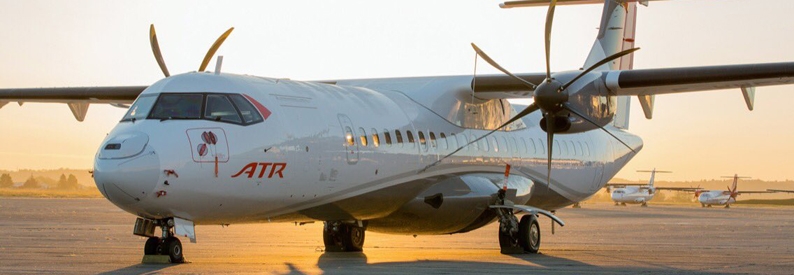
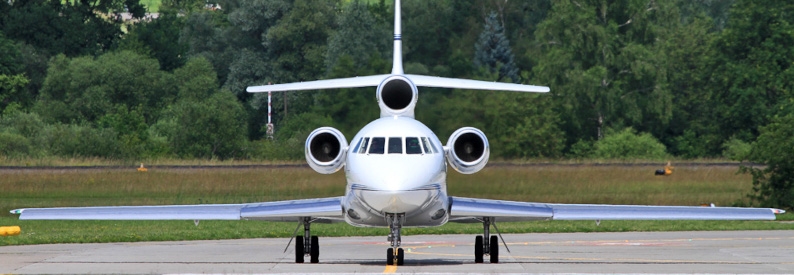
The company operates a Part 135-certified fleet of 28 Learjet aircraft, including a Learjet 35A, two Learjet 55s, eighteen Learjet 60s, five Learjet 60SEs, and two Learjet 60XRs. Most Learjet 60s, powered by PW305 engines, have been enrolled in P&WC's Gold Plan ESP since around 2016.
After prolonged operational disruption, ATI Jet and P&WC entered a settlement agreement in 2025. ATI Jet alleges acceptance followed assurances that lease-engine shortages were driven by operational constraints and supply-chain limitations. The operator now contends replacement engines were available, arguing that shortages were the result of internal allocation decisions, rendering the settlement fraudulently induced.
The complaint states P&WC maintained a pool of roughly 12 rental engines supporting more than 800 Learjet 60 engines worldwide, despite internal analyses indicating a significantly larger pool was required.
ATI Jet further alleges P&WC declined acceptance of additional rental engines supplied by Aircraft Parts Solutions, contracted to expand the rental pool by 40 engines. APS delivered 18 units before P&WC allegedly rejected engines 19 and 20, stating additional capacity was no longer required despite ongoing shortages.
Additional allegations state senior P&WC personnel deliberately withheld lease engines to avoid setting a precedent for other customers. The complaint also claims reliance on contractual wording stating lease engines are provided “subject to availability” was used to deny requests even when capacity existed or could be sourced. ATI Jet further argues priority was given to new aircraft deliveries and prospective customers over existing ESP clients during spare engine allocation.
The filing also cites prolonged maintenance turnaround times, including an engine overhaul lasting 806 days against an estimated 60 to 90 days, alongside two additional engines remaining at P&WC facilities for 323 and 108 days at filing time.
ATI Jet argues these delays forced the purchase of three replacement engines on the open market at a cost of approximately USD2.5 million to maintain operational continuity, alongside significant charter revenue losses and reputational harm linked to reliability concerns.
P&WC has filed a motion seeking dismissal and transfer of proceedings to Canadian jurisdiction.
ch-aviation has contacted both companies for comment.
The dispute follows a similar case involving Flexjet and Honeywell Aviation Services over engine maintenance delays, resolved in early 2026 with more than USD1 billion awarded in cash and services. Law firm Quinn Emanuel, which represented Flexjet, now forms part of ATI Jet legal team.