Eleven pilots resigned from Air Botswana between January and June 2026, contributing to a cockpit-crew shortage that has compounded fleet constraints and caused irregular operations and schedule disruptions, transport and infrastructure minister, Noah Salakae, told the Botswana parliament.
This comes as only three of Air Botswana's six aircraft remain operational, despite efforts to return the entire fleet to service.
Half the fleet remains grounded
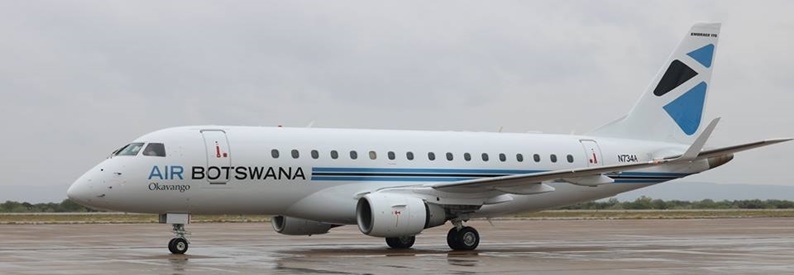
Answering questions from lawmakers on August 8, Salakae said Air Botswana's sole E170 remains grounded (since April 2025), pending an engine overhaul and mandatory 15,000-hour heavy maintenance (C-check).
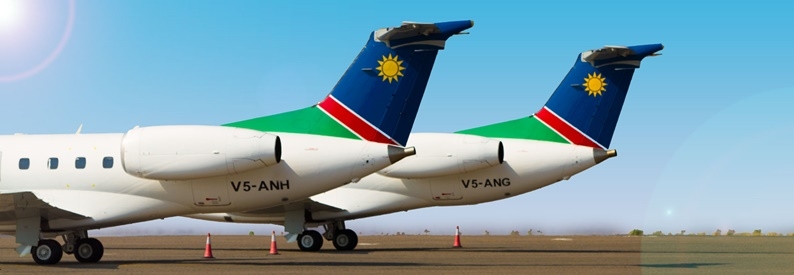
Meanwhile, the airline's two E145s remain with Westair Aviation in Namibia where they are awaiting engine and auxiliary power unit (APU) repairs. Salakae said financial constraints have contributed to delays in returning the aircraft to service, (initially planned for June 2026).
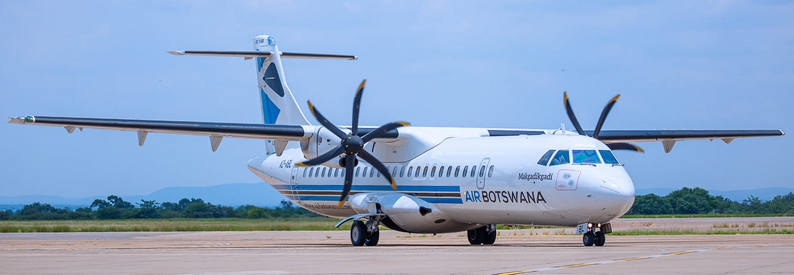
He noted that the airline also had an ATR72-600 undergoing a C-check in July 2025, leaving only one ATR72-600 operational at the time.
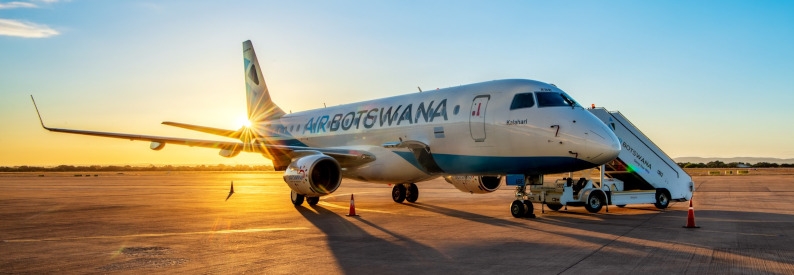
ADS-B data shows that both ATR72s are now back in service, while its single E175 operates domestically and regionally to Harare International, Johannesburg O.R. Tambo, Cape Town International, and Lusaka.
However, the minister acknowledged that the fleet constraints have forced Air Botswana to reduce its schedule.
Pilot shortage
Salakae said 11 pilots who resigned during the first six months of 2026 had left for various reasons, including better offers elsewhere.
Pilot training has also been delayed by the Middle East conflict, which has affected ATR72-600 training, while a shortage of simulator examiners at an alternate training facility in Bangkok has further exacerbated the problem.
As a result, some pilots were grounded after their licences expired while awaiting training slots, while available cockpit crew were approaching maximum flight-hour limits, further disrupting schedules.
As reported, increased pressure on the airline's two ATR72-600s resulted in those pilots accumulating too many duty flying hours. Consequently, the airline was forced to cancel all its flights for one day on May 7.
Asked for comment, Air Botswana said "there is no exodus" of pilots.
Air Botswana had about 30 pilots in May 2026, but general manager Bao Mosinyi then told Parliament that only about 10 were actively flying. He said the remaining 20 pilots were inactive but continued to receive salaries.
Financial statements overdue
Air Botswana has fallen years behind in meeting statutory financial reporting requirements and has implemented a catch-up programme to deal with the backlog. Salakae disclosed that Air Botswana's 2022/23 financial statements have been finalised and are awaiting board approval, while the 2023/24 audit is underway. The last audited statements available are from 2021/22, with the delay being blamed on a change of auditors. He said Air Botswana is currently working towards bringing its audited financial statements up to date by March 2027.
Mosinyi earlier told Parliament the backlog was due to governance failures, including the lack of a quorate board for most of the past six years, prolonged vacancies in key executive positions and the loss of experienced finance staff during restructuring.
Salakae noted that the government-owned airline has invested about BWP355.9 million pula (USD26.5 million) in fleet renewal over the past five years. This included the acquisition of the two E145s and one E175 in an effort to improve reliability and reduce the average age of the fleet.
He reiterated the government’s commitment to supporting Air Botswana in restoring operational reliability, expanding its network on a sustainable basis, and ensuring the airline makes a meaningful contribution to regional connectivity.