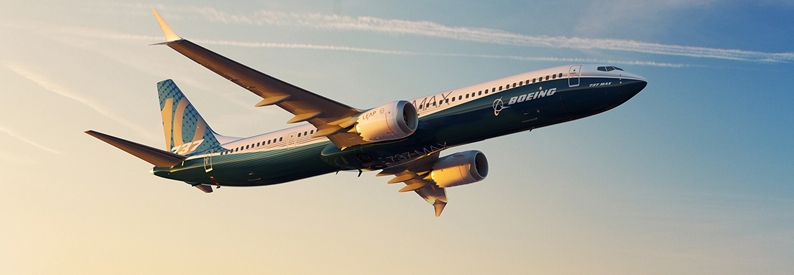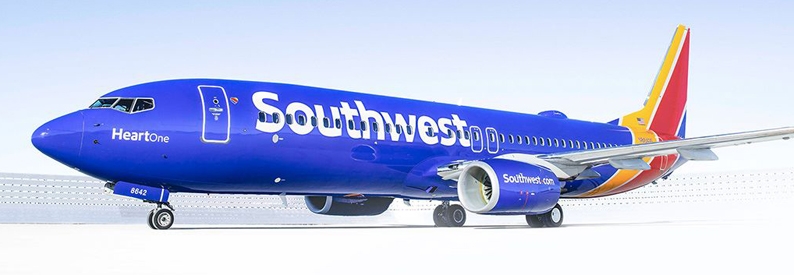
SWAPA, the union representing the pilots of Southwest Airlines (WN, Dallas Love Field), has taken the carrier to court to obtain status-quo protection from what it says is management's use of "unlawful tactics" to force the LCC's pilot corps to operate B737 MAX aircraft.
The union said in papers filed in the U.S. District Court for the Northern District of Texas that each type of aircraft operated by the carrier has to be listed in the collective bargaining agreement. However, with the first of 170 B737 MAX 8s due to arrive earlier than expected - during the first half of 2017 as opposed to the second as previously anticipated - SWAPA claims management has violated federal law by threatening to proceed unilaterally if an agreement is not reached before the new aircraft begin arriving.
“Each new type of 737 that has joined the Southwest fleet over the years has required contractual agreement, whether in Section 6 negotiations or through an amendment to a current contract,” SWAPA President, Captain Jon Weaks, said. “We believe Southwest Airlines, in planning to fly the MAX without a contract for it, is threatening a breach of status quo under Section 6 of the Railway Labor Act. Pilots cannot be forced into labor without a contract in place.”
Commenting on the move, Southwest CEO Gary Kelly told Bloomberg that the lawsuit is “unnecessary and premature” with all outstanding issues between management and SWAPA capable of being solved before the new aircraft arrive. Additionally, Kelly believes that aside from a new engine, the MAX has enough commonality with other aircraft in Southwest's fleet (the B737-700 and B737-800s in particular) - to avoid the need for a new equipment clause in the current CLA.
Management and the airline's unions have been locked in talks concerning revised CLAs for the past four years. Given the lack of progress, a federal mediator was this year brought in to help resolve the deadlock.
As previously reported, the MAX's early delivery has forced Southwest to reconsider its fleet retirement plans. Whereas the carrier had previously expected to retire its 116 B737-300s by 2018, now that date has been moved up to the third quarter of 2017.
Justifying the move, Southwest said last month that as the Federal Aviation Administration (FAA) was unlikely to complete defining the training requirements for the MAX until next year, the only solution would be to avoid flying both the Classics and the MAX.
The Texan LCC's other B737 Classic aircraft, eleven B737-500s, are due to be withdrawn by the start of the last quarter of this year.
- Type
- Base
- Aircraft
- Destinations
- Routes
- Daily Flights