As the European Commission confronts a wave of consolidation in the airline industry following a lull during the pandemic, regulators are planning to demand tougher concessions from carriers seeking to merge so that fair competition is ensured, interim EU antitrust chief Didier Reynders has told the Financial Times.
There is evidence that existing concessions forced on airlines conducting mergers, such as giving airport take-off and landing slots to rivals, have not always proceeded as planned, with some slots remaining unused or not used on the routes intended.
In future, Brussels will ask airlines to ensure that the slots are allocated correctly and, in some cases, it could tell them to divest non-core assets.
Belgian national Reynders, who was previously the European commissioner for justice, was appointed caretaker competition commissioner last month while Margrethe Vestager runs for president of the European Investment Bank.
He told the newspaper: “We see some remedies are not efficient. In the past, the main request was to ask [airlines to offer] slots to other companies.” But if this is “not enough”, regulators must seek other concessions. “Some years ago, we were sure the slots solution was fine. Maybe [now] the results are not there,” he elaborated.
An unspecified antitrust lawyer told the FT that there was “scepticism” at the commission towards the current system, adding that enforcing the disposal of assets - which could include planes, cargo businesses, or contracts with ground handlers - would “directly support the entry and viability” of a competitor.
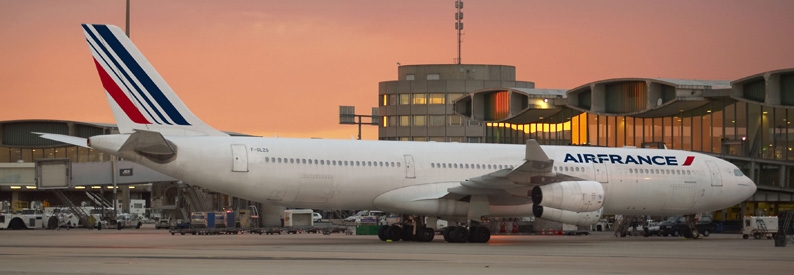
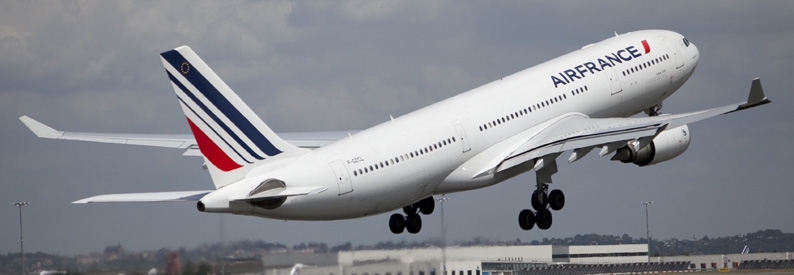
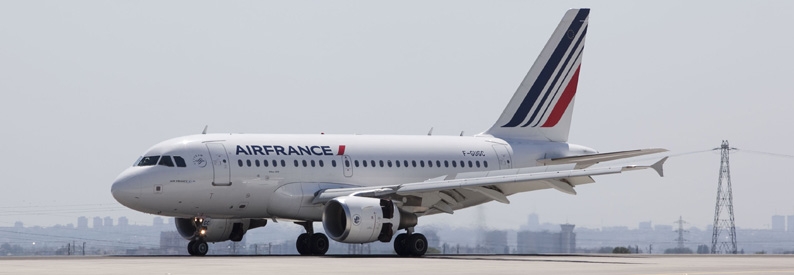
Recent dealmakers hoping for a nod from the European Commission include Air France-KLM seeking 20% of SAS Scandinavian Airlines (SK, Copenhagen Kastrup) as part of a rescue of the Nordic carrier involving private equity firm Castlelake and the Danish state; Lufthansa (LH, Frankfurt International) agreeing to buy an initial 41% stake in ITA Airways (AZ, Rome Fiumicino); and IAG International Airlines Group subsidiary Iberia (IB, Madrid Barajas) looking to merge with Air Europa (UX, Palma de Mallorca), which faces a lengthy probe. Brussels is also investigating, like other regulators, the impact on connectivity for passengers and cargo of Korean Air’s proposed acquisition of Asiana Airlines (OZ, Seoul Incheon).