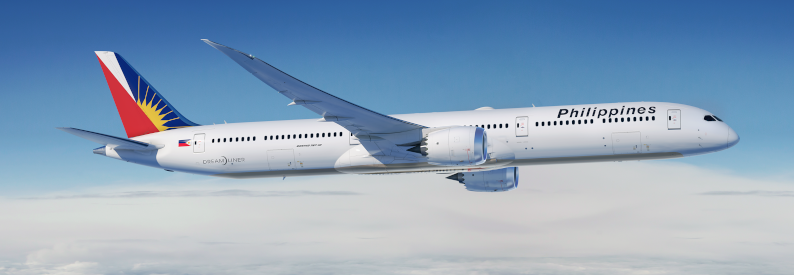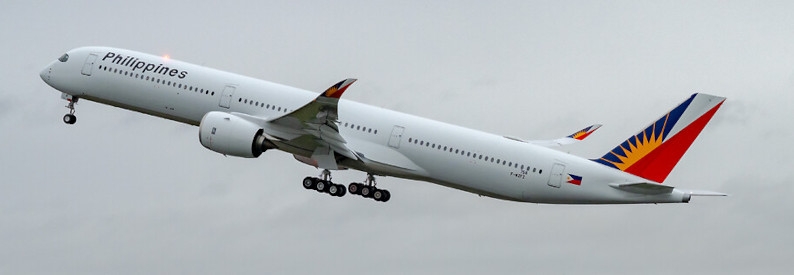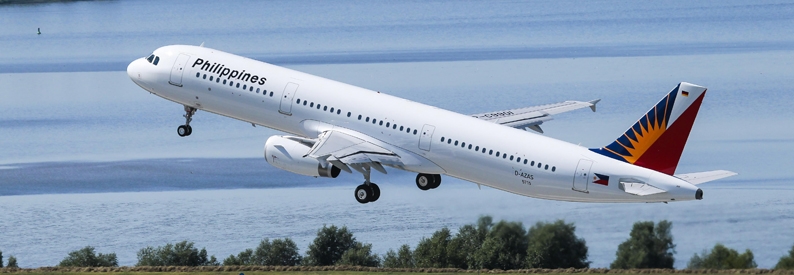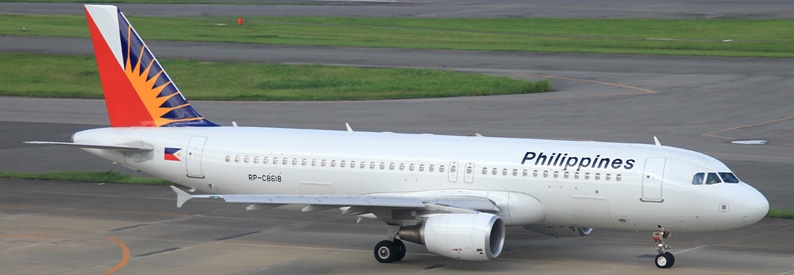
Philippine Airlines (PR, Manila Ninoy Aquino International) is on track to meet its 2H 2022 revenue targets as strong passenger demand and increasing capacity supports the airline's post-pandemic recovery. After the carrier's surprise USD120 million operating profit for the first half of 2022, CEO Stanley Ng says Philippine Airlines has already taken over USD2 billion of its USD2.6 billion revenue target for the second half of the year. However, the airline still faces several challenges
"We remain cautiously optimistic for 2023," said Ng at an October 14 media conference in Manila. In contrast to the current revenue target, 1H 2022 revenue was USD987.2 million. However, Ng has flagged high aviation fuel prices, inflation and a possible recession as dampening effects.
While he says that domestic flights have reached 90% of pre-pandemic capacity and are expected to hit 100% in December, the ongoing closure of China's borders is slowing the recovery of Philippine Airlines' international network. Current international capacity is only 60% of pre-pandemic levels and is expected to rise to 70% in December.
According to the ch-aviation Commercial Aviation News, Operator & Airport Data module, Philippine Airlines is flying to 71 destinations in 21 countries. Forty-eight of those 71 destinations are outside the Philippines. The module reveals Philippine Airlines is flying to five international ports from Cebu, two international ports from Angeles City Clark International, one international port from Kalibo, and 40 international destinations from Manila's Ninoy Aquino International Airport. The airline has 40 of its 49 aircraft back in the air.
The strong 1H result for Philippine Airlines was mostly due to the absence of competition on international routes in and out of the country. While Philippine Airlines wasn't running anywhere near its full pre-pandemic international network at the time, it has been enjoying very high yields on those routes it is flying. Yields on the more competitive domestic networks weren't nearly as strong. Aside from high fuel prices, inflation and any recession, other international airlines returning to the Philippines, particularly carriers from North Asia, will pose a significant strategic threat to Philippine Airlines and its future profit levels.
- Type
- Base
- Aircraft
- Destinations
- Routes
- Daily Flights