The US Federal Aviation Administration (FAA) and the European Union Aviation Safety Agency (EASA) have advised caution to all operators when overflying Venezuela after the US attack on the country on January 3 and the extrajudicial rendition of sitting President Nicolás Maduro. Venezuelan airlines resumed limited operations on January 5.
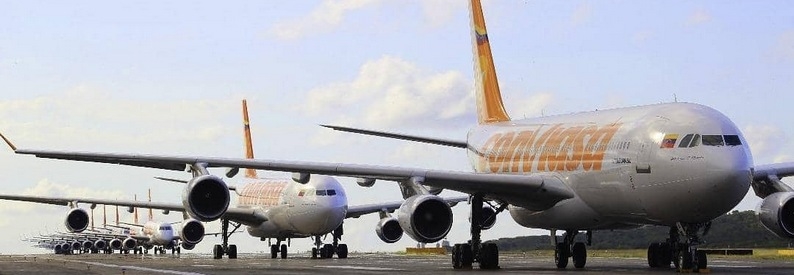
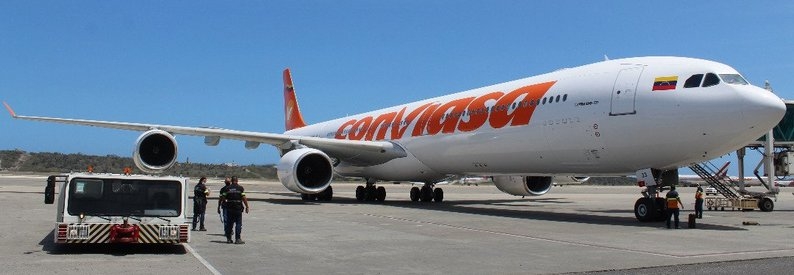
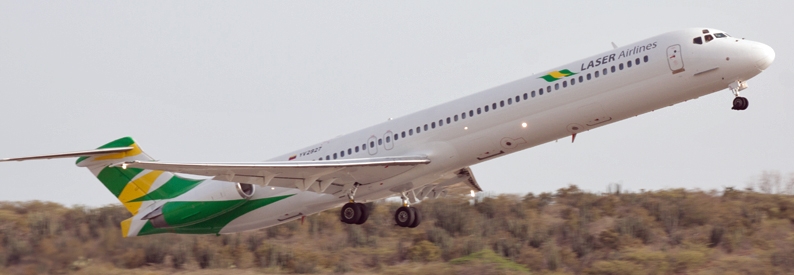
Following the complete halt of all flight operations in Venezuela on January 3-4, multiple carriers, including Rutaca Airlines, Venezolana, Conviasa, Avior Airlines, and Laser Airlines restarted domestic operations on the morning of January 5, ADS-B data confirms. Meanwhile, Conviasa's A340-600 YV3535 (msn 416) took off from Moscow Vnukovo was en route back to Venezuela at the time of publication of this article. All other international flights to Venezuela appear to still be suspended.
The US government initially banned all US-registered aircraft from operating, not just in Venezuela, but also in the airspaces of Puerto Rico, Curacao, and the western part of the Piarco Flight Information Region, which covers the entire chain of the Lesser Antilles. The ban, imposed on January 3, was lifted after less than 24 hours, leaving airlines scrambling to ferry the affected passengers during the holiday peak.
The ban was subsequently replaced by security Notice to Air Missions (NOTAMs) on January 4. The advisory NOTAMs warn operators of a "potentially hazardous situation" in the Venezuelan, Curacao, Piarco, and Puerto Rico airspaces. They recommend caution but do not ban US-registered aircraft from operating in any of these jurisdictions. The NOTAMs are tentatively valid through February 2.
Meanwhile, EASA issued its own advisory Conflict Zone Information Bulletin (CZIB) covering Venezuela on January 3. While the document recommends that operators do not operate to the country at all, it is not binding and does not ban such flights.
- Type
- Base
- Aircraft
- Destinations
- Routes
- Daily Flights