Malaysia Airlines (MH, Kuala Lumpur International) parent company Malaysia Aviation Group (MAG) is maintaining investment in its workforce, diversifying its non-passenger businesses, and hedging fuel costs as it seeks to reduce the impact of future industry disruptions, group chief executive Nasaruddin Bakar said.
"There will always be another crisis. It's only a matter of time. The important thing is ensuring we are prepared to face it," he said during the Selangor Aerospace Forum on June 26, as quoted by the Bernama news agency.
MAG will continue to invest in training for its 15,000 employees despite challenging market conditions. It is also expanding its MRO, cargo, and aviation services businesses because airline profit margins average only about 1.4%, Nasaruddin said.
He added that supply chain disruptions forced Malaysia Airlines to cancel more than 10,000 flights during the fourth quarter of 2024, affecting more than one million passengers.
Nasaruddin said every USD1 increase in jet fuel prices adds MYR51 million ringgit (USD12.5 million) to MAG's annual fuel bill. MAG has hedged about 36% of its 2026 fuel requirements to mitigate fuel price volatility.
The group's long-term business plan (LTBP3.0) targets MYR24.6 billion (USD6 billion) in revenue by 2030 and a mainline fleet of 116 aircraft by 2035 through additional A330-900N and B737 MAX deliveries.
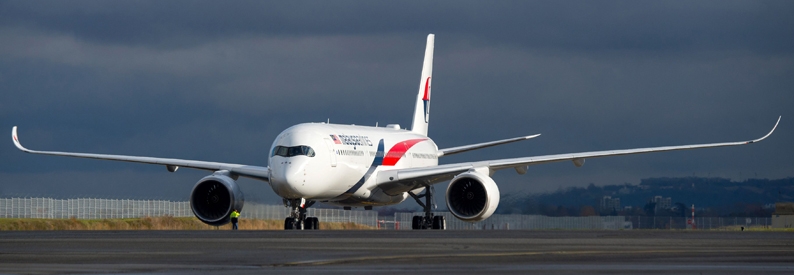
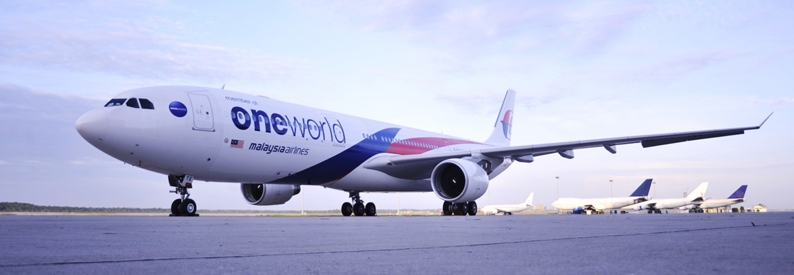
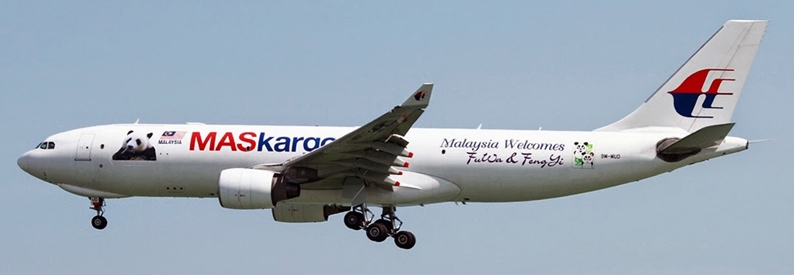
Malaysia Airlines operates a fleet of 94 aircraft, comprising three A330-200s, three A330-200Fs, thirteen A330-300s, ten A330-900Ns, seven A350-900s, eighteen B737-8s, and forty B737-800s. The group's regional subsidiary, Firefly (FY, Penang), operates nine ATR72-500s and five B737-800s.
- Type
- Base
- Aircraft
- Destinations
- Routes
- Daily Flights