In addition to attempts to nullify all or part of a BDT47.75 billion taka (USD470.6 million) debt owed to the Civil Aviation Authority of Bangladesh, Biman Bangladesh Airlines (BG, Dhaka) is pursuing a similar get-out-jail-free pass regarding fuel debts owed to the state-owned Bangladesh Petroleum Corporation (BPC).
The airline has successfully campaigned the deputy secretary of civil aviation and tourism ministry's aviation division, Mohammad Abdul Awal, to write two letters to BPC asking for a waiver of interest and fees on fuel debts accrued between 2011 and 2019 and still outstanding. The total outstanding debt to BPC for this period is BDT14.29 billion (USD134.8 million), of which BDT8.54 billion (USD80.6 million) relates to interest and various overdue surcharges.
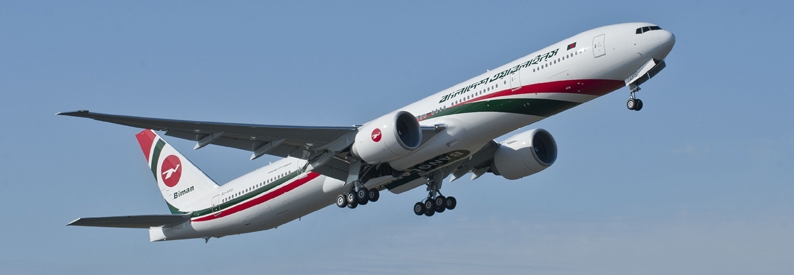
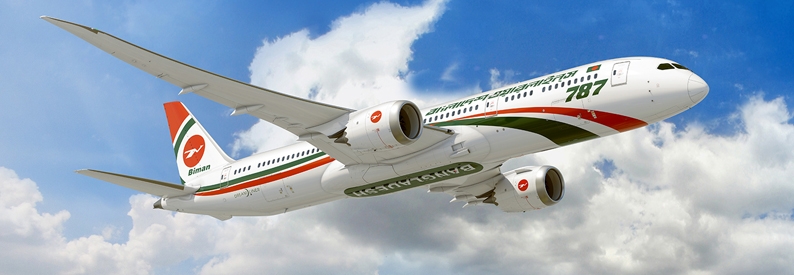
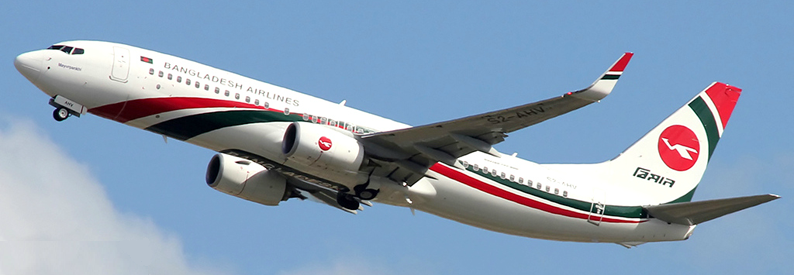
Biman Bangladesh Airlines maintains a fleet of 21 aircraft, of which 20 are active. According to the ch-aviation Commercial Aviation Operator Capacity Data module, the airline is offering over 85,000 seats a month across a network of 29 airports in 15 countries.
BPC and its subsidiaries, including Padma Oil Company Limited (POCL), have a monopoly on jet fuel supplies in Bangladesh and have allegedly long charged above market rates, despite a 2014 government directive to charge Biman Bangladesh Airlines the Kolkata market rate for fuel.
According to Biman, the ongoing charges of above-market fuel prices has contributed to the airline's sizable debts. But a payment plan between Biman Bangladesh and the BPC to reduce the debt has also allegedly been repeatedly breached.
“We have a proper timeline of Biman's arrears," an unnamed BPC official told the Dhaka Tribune last week. “Biman has always paid less than it was supposed to, so the pile gradually built up."
The same newspaper report adds that the BPC has decided to stop supplying Biman Bangladesh with fuel until the airline brought its payments up to date. ch-aviation contacted BPC to confirm the veracity of this claim but has not received a response.
Unnamed Biman officials say that the BPC has continued to charge interest and fees after agreeing not to and continues to charge over-the-market prices for fuel. Awal reportedly wrote to both the CAAB and NPC twice in October requesting a debt waiver. Officials from both state-owned entities say they cannot make the decision to waive any debts, saying that must come from the finance ministry.