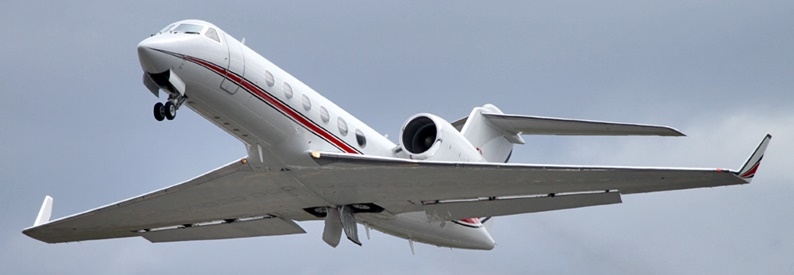
Nigerian airlines may be losing more than NGN8 billion naira (USD6 million) annually due to the underutilisation of aircraft as operational and infrastructure constraints limit flying hours, according to an investigation by the newspaper This Day.
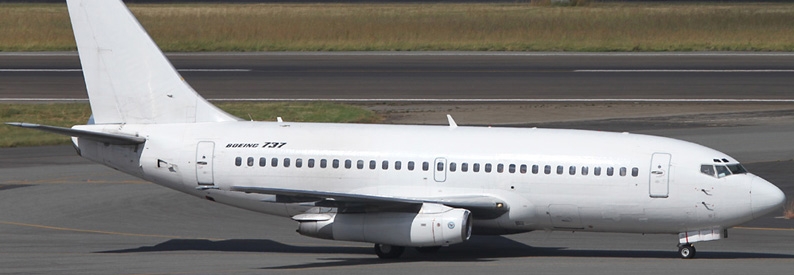
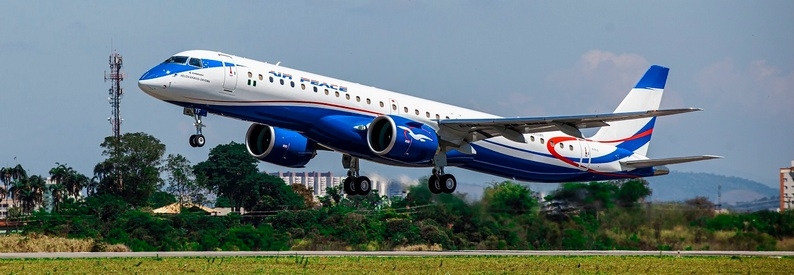
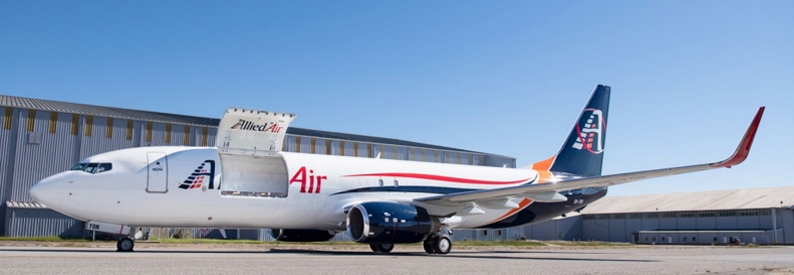
Medium-haul aircraft such as the Boeing B737, the E195-E2, the Airbus A220, and the Bombardier Aerospace CRJ aircraft average seven to eight hours of daily utilisation in Nigeria, the daily reported.
Industry officials cite factors such as limited airport infrastructure, security concerns, and high operating costs. Many airports lack night-landing facilities, restricting flights largely to daylight hours. Of more than 30 functional airports in the country, only five, Lagos, Abuja, Kano, Port Harcourt Awolowo, and Enugu, are equipped for regular night operations.
Additional constraints include the cost of powering airports after dark, overtime demands by aviation staff, and passengers' reluctance to travel at night due to security fears.
The revenue impact has worsened in recent years, with estimated annual losses rising from NGN4.3 billion (USD3.2 million) three years ago to NGN8 billion, reflecting higher fares driven by inflation and currency pressures.
OmniBlu Aviation (O7, Lagos) CEO Akin Olateru said that low aircraft utilisation undermines profitability and the ability of airlines to service acquisition loans.
Olateru added that high acquisition costs, lack of access to affordable financing, and an absence of government backing put Nigerian airlines at a disadvantage. Most Nigerian airlines are neither state-supported nor publicly listed, limiting their ability to raise capital.
He said that addressing infrastructure gaps and extending airport operating hours are critical to improving utilisation and ensuring the long-term sustainability of the sector.