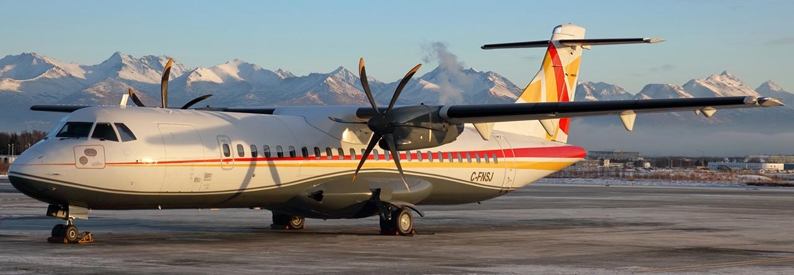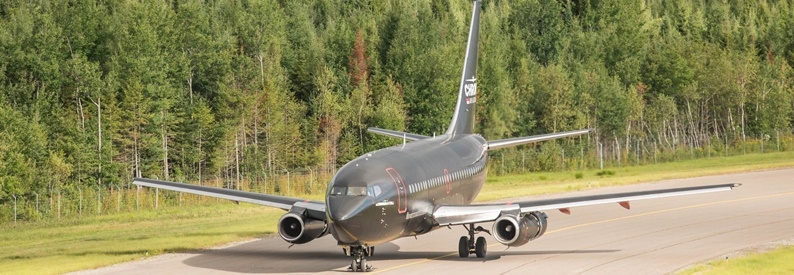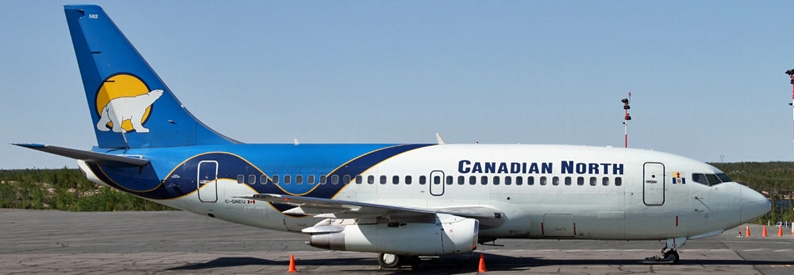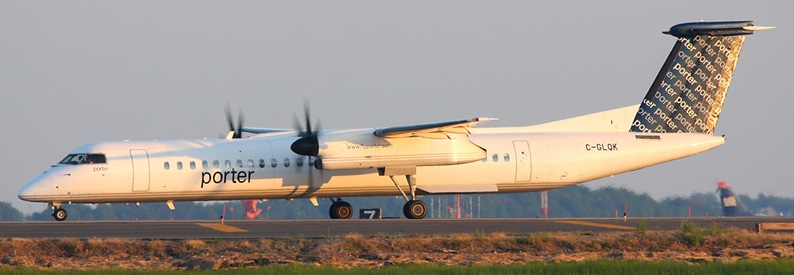
A joint initiative by North Star Air (Ontario), Bearskin Airlines, Air Creebec, and Wasaya Airways, called the Northern Ontario Airfare Affordability Program (NOAAP) is looking to reduce the cost of air travel across Northern Ontario through a provincially funded subsidy.
The carriers are seeking CAD40 million dollars (USD28.2 million) from the Ontario government, equivalent to about CAD2.60 (USD1.83) per taxpayer per year, to lower base airfares by 60% to 75%, depending on the region. The proposal draws from a similar model adopted in Québec. Likewise, the province of Alberta is exploring potential future regional air subsidies.
The airlines have argued that aviation is an essential service for many rural, remote, and First Nations communities, where it provides vital access to healthcare, education, employment, government services, and family connections. They contend that high operating costs stem from structural challenges such as low passenger demand, limited competition, infrastructure constraints, and severe weather, making government intervention necessary.
About 29 airports in Ontario, which mostly serve remote First Nations, do not meet current regulations, meaning flights are frequently cancelled or delayed, according to the Northern Ontario Aviation Committee. Tom Meilleur, chair of the committee and vice president of North Star Air, says it would cost about CAD1.5 billion (USD1 billion) to bring these airports up to standard.
In February, the committee wrote a letter to the Ontario Minister of Transportation Prabmeet Sarkaria, requesting four key changes in the region: declaring clearways and stopways as usable runways; ensuring a minimum of four full-time employees per airport; introducing standardised, airport-operated de-icing services; and approving targeted short-term terminal builds.
The ministry is currently doing two studies to “guide future upgrades and long-term investment in remote airport infrastructure,” providing CAD27.2 million (USD19.1 million) in investments, it told CBC News.
- Type
- Base
- Aircraft
- Destinations
- Routes
- Daily Flights