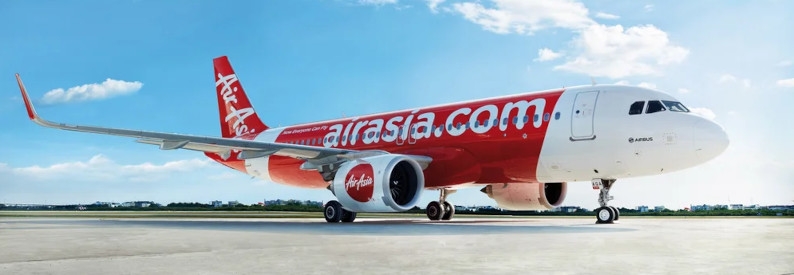
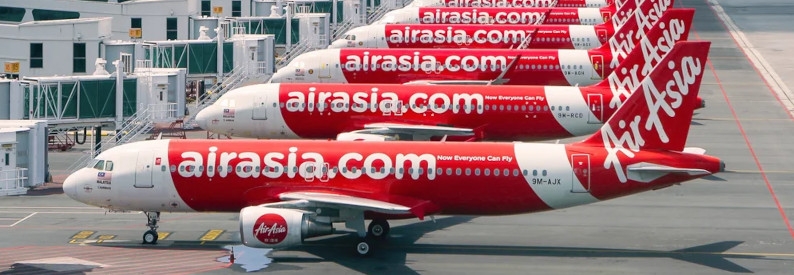
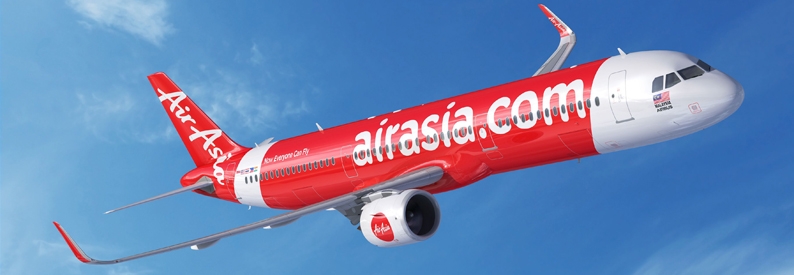
AirAsia Group plans to return 25 older aircraft to lessors during 2026 as it cuts fixed lease costs and reduces capacity in underperforming markets, while new A220-300 and A321-200NY(XLR) deliveries are due to begin in 2028, the group disclosed in its second-quarter results.
While it did not identify the 25 aircraft by type or air operator's certificate (AOC), group chief executive, Bo Lingam, previously said that the group plans to return twelve A320-200s to lessors in 2026, most of which will be coming from its Indonesia AirAsia (QZ, Jakarta Soekarno-Hatta) and Philippines AirAsia (Z2, Manila Ninoy Aquino International) operations.
AirAsia declined to confirm the specific aircraft types and AOCs involved in this exercise.
Amid financial pressures exacerbated by the Middle East conflict and higher fuel costs during the second quarter, the group reduced fleet allocations in the Philippines and Indonesia to focus on higher-yield domestic and core Association of Southeast Asian Nations (ASEAN) routes. It added that the financial pressures were concentrated in short-haul operations in the two countries, as well as Thailand.
"Where routes or entities underperformed, specifically in long-haul Malaysia, Indonesia, and the Philippines, we acted swiftly to cut unviable capacity, right-size fleet, and delay non-essential launches like Bahrain," Lingam said.
The fleet realignment comes alongside wider capacity cuts, with group capacity down 11% year-on-year in the second quarter. AirAsia Group plans to cut third-quarter capacity by 20-25% year-on-year before restoring capacity to what it described as "pre-war levels" in the final quarter.
AirAsia Group has also suspended underperforming long-haul routes and delayed its planned Kuala Lumpur International-Bahrain International-London Gatwick fifth-freedom service, the launch of which had previously been deferred to March 2027 amid the conflict in the Middle East.
"Uncertainties persist, yet our low-cost DNA, agile network model, and dominant position on core trunk routes give us full confidence in our ability to stabilise performance, protect shareholder value and capitalise on the industry’s eventual recovery," Lingam said.