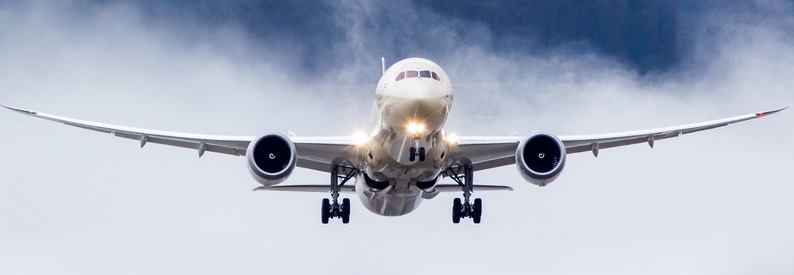
The United States Federal Aviation Administration (FAA) has ordered repetitive inspections of certain B787-8, B787-9, and B787-10 aircraft after Boeing identified manufacturing errors that could lead to fatigue cracking in the primary wing structure. Directive AD 2026-17-02 takes effect on October 1, 2026.
The issue concerns potentially excessive shim gaps and preload forces at lower side-of-body splice plates adjoining the lower outboard wing skins. The FAA warned that cracks could form around the fastener holes and, if undetected, weaken the structure below its required load capability.
Operators must conduct repeated ultrasonic and, depending on the configuration, detailed inspections of the affected wing structures, with repairs required where cracking is found.
Boeing's requirements bulletin, issued in August 2025, identifies 77 affected aircraft worldwide: forty-nine B787-8s, twenty-seven B787-9s, and one B787-10. According to the FAA, 17 of these are US-registered.
ch-aviation analysis of the effectivity list against current fleet records shows Air India has the largest concentration, with nine affected B787-8s, while American Airlines, Qatar Airways, and United Airlines each have seven of the affected aircraft.
Boeing told Bloomberg it had identified an outdated shim measurement method in 2019, corrected the production process, and issued updated operator guidance in August 2025. It said the affected aircraft can continue normal operations.
As ch-aviation previously reported, B787 manufacturing tolerances have faced separate scrutiny, including a 2024 FAA investigation into allegations made by Boeing engineer Sam Salehpour concerning gaps between structural sections and the forces used to join them. Boeing disputed those allegations. The manufacturer also dealt with separate B787 fuselage manufacturing issues that contributed to a prolonged suspension of deliveries in 2021-2022.