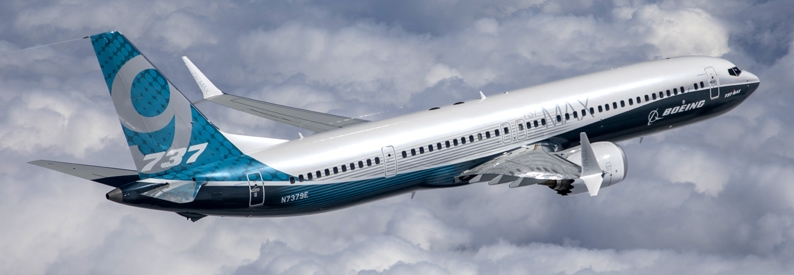
The United States Federal Aviation Administration has delayed certification of Boeing's long-awaited B737-10 after a newly identified software issue was found to potentially prevent pilots from accessing automated flight guidance during certain go-around scenarios.
FAA Administrator Bryan Bedford said the regulator would not certify the largest B737 MAX variant until it is satisfied the issue has been addressed. Certification had recently been expected by the end of September or in October 2026.
"We will be delaying the -10 until we're satisfied that we don't have an issue here," Bedford told reporters on September 28, declining to estimate how long the process could take.
The issue affects software developed by GE Aerospace and can occur when pilots alter their planned flight path following a missed approach. According to the FAA, the problem can increase pilot workload during a go-around by making some automated flight guidance unavailable, although pilots retain control of the aircraft.
Boeing said it first learned of the issue from a B737 MAX operator in November 2024. It notified operators in August 2026 and initially said the glitch did not pose a safety risk. Following additional feedback from airlines, Boeing began a formal safety review in September and shared its findings with the FAA.
The manufacturer is working on both interim procedures allowing pilots to restore the automated navigation function and a permanent software update. Boeing had initially expected the permanent fix to become available in early 2028 but is now seeking to accelerate the timeline.
The FAA plans to convene a Corrective Action Review Board to determine whether the glitch constitutes an unsafe condition requiring corrective action. Bedford said the software problem could potentially be resolved relatively quickly but gave no timetable.
United Airlines and Southwest Airlines have reportedly asked Boeing not to deliver new B737 MAX aircraft equipped with the affected software, preferring an earlier version instead. United confirmed it is not accepting aircraft with the software under review. Alaska Airlines and United said none of their current aircraft use the affected version.
WestJet, which does operate aircraft with the software, said it had experienced no related in-service events and did not consider the issue a safety concern, citing existing operating procedures and pilot training.
Major customers
The certification delay comes just as several major customers were preparing for B737-10 deliveries in 2027. Ryanair recently said it expected its first fifteen B737-10s in spring 2027 from an order for 150 firm aircraft and 150 options. Ryanair Holdings CEO Michael O'Leary said on September 29 that he hoped the certification setback would be "a matter of days, not weeks or months".
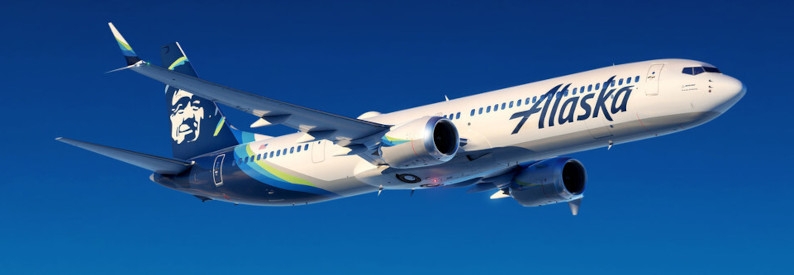
Alaska Airlines had similarly expected certification by the end of September and plans to take its first B737-10 in spring 2027, with passenger operations targeted for April to mid-May. It has 163 of the type on order and expects 22 deliveries in 2027 and 30 in 2028.
Boeing CEO Kelly Ortberg said earlier in September that flight and other certification testing for the B737-10 had been completed and that only three deliverables remained for the FAA, with the programme in its documentation phase. The -10 is set to be the largest member of the B737 MAX family.