United Nigeria Airlines (UN, Enugu) is seeking to raise up to NGN20 billion naira (USD15 million) from investors through short-term debt instruments to fund fleet expansion and working capital, despite reporting an unaudited NGN13.35 billion (USD10 million) net loss for the first half of 2026.
The airline is issuing two series of commercial papers under its NGN100 billion (USD75.1 million) programme, with maturities of 270 and 364 days, respectively, according to an investor presentation cited by news site MoneyCentral. Business Day reported that the proceeds would support fleet expansion and operational capacity.
Revenue reached NGN97.7 billion (USD73.4 million) in the six months ended June 30, 2026, exceeding the NGN90.8 billion (USD68.2 million) recorded for the whole of 2025. However, direct operating costs rose to NGN99.8 billion (USD75 million), resulting in a gross loss of NGN2.1 billion (USD1.6 million).
Management attributed the deterioration to surging aviation fuel prices amid the Iran-US conflict, with Jet A1 reportedly rising from about NGN900 (USD0.68) to NGN2,800 (USD2.10) per litre between March and mid-June. Fuel expenditure reached NGN43 billion (USD32.3 million), against a budget of NGN25.7 billion (USD19.3 million).
In the second quarter, passenger numbers fell 10% quarter-on-quarter to 324,980, while revenue declined 4.8%. The airline recorded a NGN15.3 billion (USD11.5 million) net loss, reversing its first-quarter profit.
Borrowings rose to NGN115.5 billion (USD86.8 million) at the end of June, from NGN5 billion (USD3.8 million) at year-end 2025, as the airline expanded its fleet. Total assets more than doubled to NGN167.3 billion (USD125.7 million), while cash and cash equivalents stood at NGN15.1 billion (USD11.3 million).
Despite the setback, the airline carried 686,256 passengers in the first half of 2026, exceeding its full-year 2025 total.
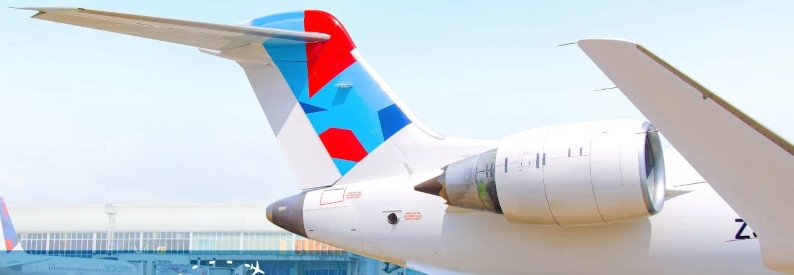
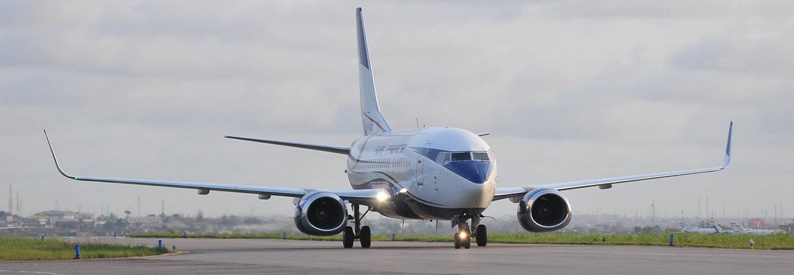
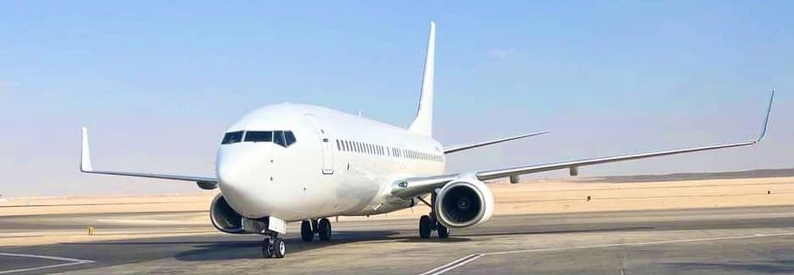
The first two of six B737-800s, ex-Southwest Airlines, entered service in July, while management said fuel prices had subsequently normalised. United Nigeria Airlines operates a fleet of six in-house aircraft, comprising two B737-800s and four E145s. It relies heavily on wet-leased capacity, including two CRJ900s from South Africa's CemAir and two E190s from Ukraine's Windrose Airlines.