Nigeria's aviation minister, Festus Keyamo, has ruled out establishing a state-owned national carrier, saying the government will instead focus on supporting privately owned Nigerian airlines while advancing plans to launch the country's first direct cargo service to China, Nigeria's Leadership newspaper reported.
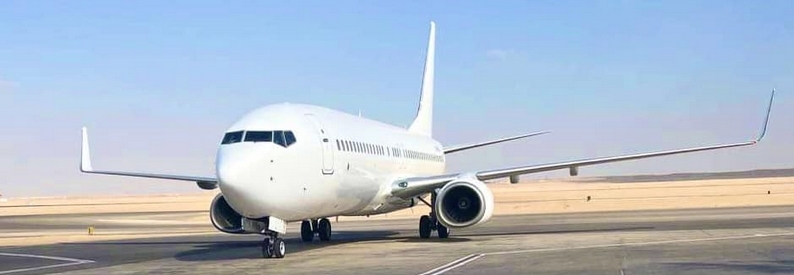
Speaking at a ceremony in Lagos to mark the delivery of the first two of six B737-800s formerly of Southwest Airlines to United Nigeria Airlines, Keyamo declared that government-run airlines are unsustainable because of political and bureaucratic interference.
"We don't have a national carrier, but we are proud of our flag carriers," he said, adding that investing public funds in a national airline would amount to pouring money into a "bottomless pit". Keyamo said the government's policy is to strengthen local airlines rather than own one itself.
"Our focus as a government is to assist private operators and businesses grow by formulating the right policies to assist them," he confirmed on social media.
The minister also outlined plans to strengthen Nigeria's air cargo links with Asia, revealing that the federal government and Enugu State are negotiating for the country's first direct cargo flights between Guangzhou and Enugu, with a target launch in December, reported Nigerian Flight Deck.
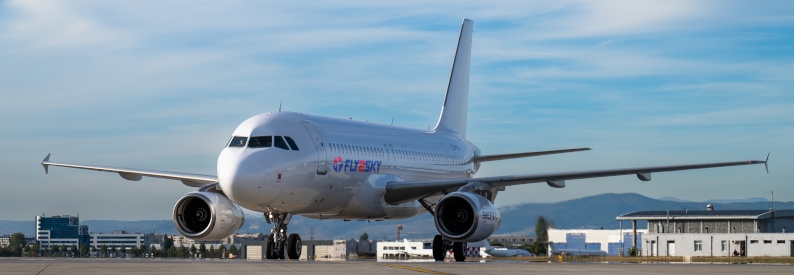
United Nigeria Airlines is based at Enugu. Apart from the two B737-800s, it operates an in-house fleet of four E145s but mainly relies on ACMI contracts, including two A320-200s from Fly2Sky, two CRJ900s from CemAir, and one E190 from Windrose Airlines.
In an interview with ch-aviation in May, United Nigeria Airlines revealed it was targeting a fleet of 22 aircraft by the end of 2026 as it expands into at least five or six African destinations and launches intercontinental operations.
Meanwhile, Keyama and Jumoke Oduwole, Nigeria's trade minister, on June 19 launched a new cargo corridor partnership between Nigeria and RwandAir focused on providing Nigerian businesses with access to Rwanda, Zimbabwe, and Zambia, alongside expanded options into Kenya and South Africa.