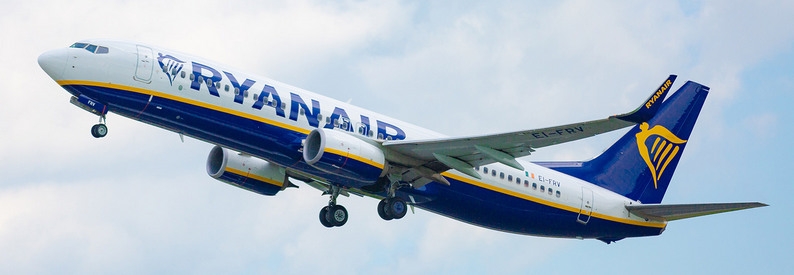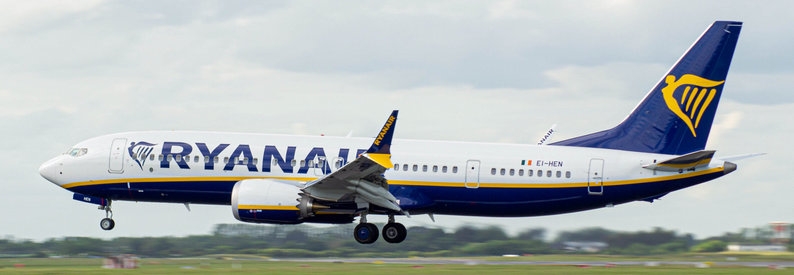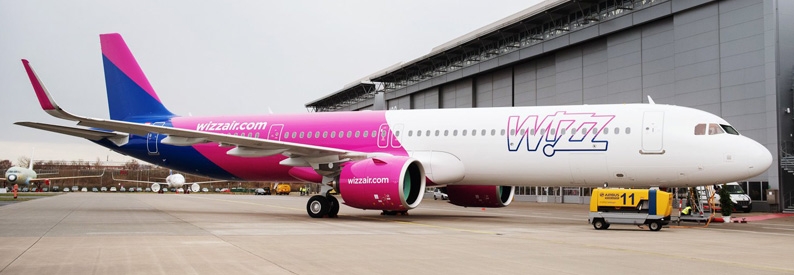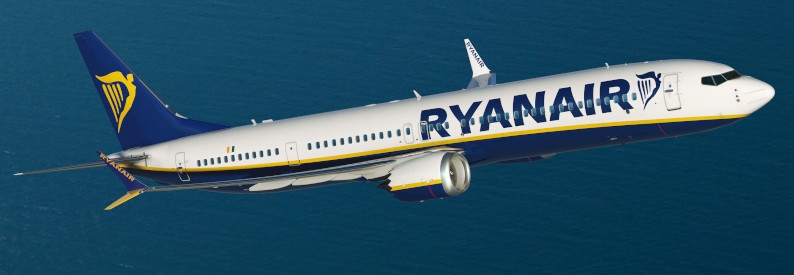
Ryanair and Wizz Air have called for urgent reforms at the United Kingdom's National Air Traffic Services (NATS), following a technical issue that disrupted more than 1,000 flights at major British airports on September 8-9, 2026.
In a statement, Wizz Air criticised the recurrence of technical failures during the peak summer season. It said that repeated outages are incompatible with the UK government's plans to expand aviation capacity and argued that airlines, passengers, and airports should no longer bear the cost of recurring system failures.
"A critical national infrastructure provider should not repeatedly bring the aviation system to a standstill. NATS is simply not fit for purpose in its current form," it charged.
In a separate statement, Ryanair renewed its call for NATS CEO Martin Rolfe to resign amid repeated operational failures, which, it said, demonstrate that NATS had failed to improve the resilience of its systems since widespread disruptions caused by an August 2023 air traffic control system failure.
COO Neal McMahon said the outage disrupted more than 65,000 of its passengers and forced the cancellation of more than 50 Ryanair flights. UK air traffic control charges paid by airlines have risen 28% since 2022 while service reliability has deteriorated, he added.
NATS said it had implemented a fix and was working with airlines and airports to restore normal operations. The authority said it had identified the disruption as a fault in its flight processing system. While UK airspace remained open and flights continued to depart throughout the incident, clearing the backlog took time due to the complexity of the recovery.
According to ADS-B data, more than 1,300 flights to and from UK airports were cancelled on September 8, with another 177 flights cancelled for September 9, a large proportion of them at London Heathrow.
The UK Civil Aviation Authority said it had requested a full report on the incident and would consider whether further measures are needed to ensure the reliability of the country's air traffic control system. The regulator had previously instructed NATS to review its contingency planning after the August 2023 flight-plan processing failure that caused widespread disruption across the UK.
- Type
- Base
- Aircraft
- Destinations
- Routes
- Daily Flights